
Home testosterone test kits naturally offer an initial assessment for men concerned about low hormone levels. Subtle daily changes like increased body fat and fatigue may hint at a deficiency. Results should be interpreted cautiously, considering external factors. A healthcare provider's full blood count confirmation is vital. Early recognition empowers individuals to adopt natural practices for balance: regular exercise, sleep, dietary adjustments, and nutrient-rich foods. Accurate interpretation, in collaboration with a provider, ensures tailored guidance for optimal hormone levels and well-being.
Testosterone levels play a pivotal role in overall health and well-being for men. Low testosterone, or low T, is a common concern affecting many individuals, often leading to fatigue, decreased muscle mass, and reduced libido. Traditionally, diagnosing and treating this condition has been a medical specialty. However, advancements in at-home healthcare offer a new approach with over-the-counter (OTC) home testosterone test kits. These tools empower men to take an active role in their health by providing convenient, accurate assessments, enabling personalized strategies to manage low T naturally.
- Understanding Low Testosterone Symptoms at Home
- Choosing Reliable Over-the-Counter Test Kits Naturally
- Interpreting Results: What Does Your Test Show?
- Lifestyle Adjustments for Balancing Testosterone Levels
Understanding Low Testosterone Symptoms at Home

Understanding low testosterone symptoms at home can be a powerful first step for men seeking to optimize their hormone levels. While a comprehensive diagnosis often requires specialized medical tests like a kidney blood test in Sheffield or vitamin B12 blood test in Sheffield, there are subtle signs that can indicate a potential deficiency right within your living space. These symptoms can range from noticeable physical changes to subtle shifts in energy and mood, offering valuable insights for proactive individuals.
One common home testosterone test kit naturally available allows men to gauge their levels through at-home saliva samples. This method has gained popularity due to its accessibility and convenience. However, it’s crucial to interpret results with care, as factors like stress, diet, and sleep can influence hormone readings. For instance, a full blood count in Bristol performed by a healthcare professional is essential for confirming any anomalies detected through initial at-home testing. Data suggests that over 30% of men aged 45-69 may have low testosterone levels, highlighting the significance of recognizing early signs.
Recognizing these symptoms can empower individuals to take charge of their health. For example, a sudden increase in body fat, particularly around the waistline, coupled with decreased muscle mass, could be indicative of low testosterone. Additionally, feelings of extreme fatigue, reduced libido, and changes in sleep patterns may point to hormone imbalances. It’s important to remember that these symptoms can overlap with other conditions, so consulting with a healthcare provider is crucial for accurate assessment. Acting proactively by incorporating lifestyle adjustments and considering appropriate medical interventions can significantly improve overall well-being.
Choosing Reliable Over-the-Counter Test Kits Naturally

Choosing reliable home testosterone test kits naturally is a crucial step for those looking to assess their hormone levels. While over-the-counter (OTC) tests have gained popularity, it’s essential to approach them with caution and an understanding of their limitations. Unlike a liver blood test in Nottingham or thyroid blood test in Bristol, which are conducted by medical professionals, home testosterone test kits primarily rely on saliva or urine samples, offering a more accessible yet less precise method of measurement.
The market abounds with various options, from DIY kits promising quick results to more sophisticated laboratory-grade tests. However, not all OTC kits are created equal. Factors like sensitivity, accuracy, and reliability can vary widely. For instance, some kits may struggle to detect subtle differences in testosterone levels, which is crucial for personalized health decisions. It’s also important to consider potential sources of error, such as improper sampling or storage, which can skew results.
For those seeking a more natural approach, focusing on lifestyle factors known to influence hormone levels can be beneficial alongside home testing. For example, regular exercise and adequate sleep have been shown to support healthy testosterone production. Additionally, addressing dietary considerations, like eliminating dairy intolerance in Bournemouth (as some studies suggest) or incorporating specific nutrient-rich foods, can positively impact hormone balance. Integrating these practices with accurate home testosterone test kit results enables individuals to make informed decisions about their overall health and well-being.
Interpreting Results: What Does Your Test Show?

Interpretation of results from a home testosterone test kit is a crucial step in understanding your hormone levels and determining appropriate action. These kits, designed for at-home use, offer a convenient way to assess your testosterone (T) levels without visiting a clinic. Upon receiving your results, it’s essential to consider what each number signifies and how it compares to established norms.
The home testosterone test kit naturally provides insights into your current T levels. Typically measured in nanomoles per liter (nmol/L), normal ranges vary slightly based on age and testing laboratory standards. For adult men, a common reference range is approximately 9.0–30.7 nmol/L, but it’s important to consult with healthcare professionals for age-specific guidelines. In some cases, you might also order complementary tests, such as a vitamin D blood test in Sheffield or diabetes blood test in Leicester or Nottingham, to gain a more holistic understanding of your health. These additional tests can reveal underlying factors influencing hormone levels.
Low testosterone (hypogonadism) is a concern for many men, potentially leading to energy deficits, decreased libido, and muscle mass loss. If your home testosterone test kit indicates low T, consider discussing the results with a healthcare provider who can offer personalized advice. They may suggest lifestyle changes like diet and exercise adjustments or even recommend prescription therapies if necessary. For instance, data shows that certain lifestyle interventions can significantly improve T levels, with studies indicating up to 25% increase in T through dietary modifications and increased physical activity.
Remember, interpreting test results is a collaborative process between you and your healthcare provider. They can help contextualize your numbers, consider any medical history or existing conditions, and provide tailored guidance for optimal hormone balance.
Lifestyle Adjustments for Balancing Testosterone Levels
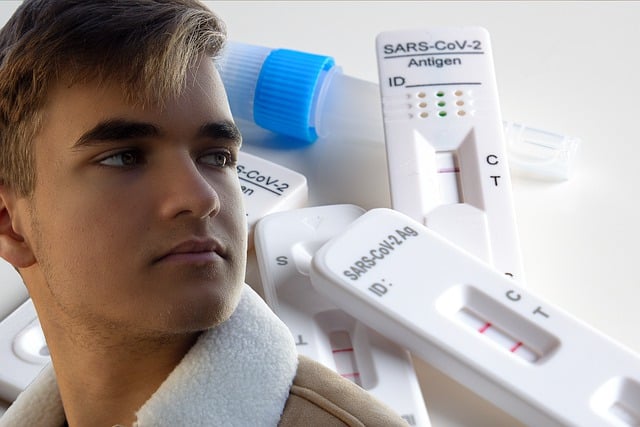
Low testosterone levels can significantly impact overall health and well-being, affecting energy levels, muscle mass, bone density, and sexual function. While prescription medications are available to address this condition, many individuals seek natural solutions to balance their hormone levels. One effective approach involves lifestyle adjustments and the use of home testosterone test kits for at-home monitoring.
Lifestyle modifications play a crucial role in managing testosterone levels. Regular physical activity, particularly strength training and high-intensity interval workouts, has been shown to boost testosterone naturally. Adequate sleep is another critical factor; aiming for 7-9 hours per night can help regulate hormone production. Additionally, maintaining a balanced diet rich in zinc, magnesium, and vitamin D—which can be checked through blood tests in cities like Coventry, Manchester, or Nottingham—is essential. For instance, a study published in the Journal of Clinical Endocrinology & Metabolism found that adequate vitamin D levels are associated with higher testosterone concentrations.
Home testosterone test kits offer a convenient and accessible way to monitor hormone levels. These kits provide individuals with the power to take control of their health by identifying potential imbalances early on. By combining these at-home tests with lifestyle adjustments, such as managing chronic conditions like diabetes (often checked through blood tests in Coventry) and optimizing nutrient intake (including vitamin D tests in Nottingham), people can create a comprehensive strategy for balancing their testosterone naturally. This proactive approach not only enhances overall health but also promotes long-term well-being.
By understanding low testosterone symptoms at home through self-assessment and utilizing reliable over-the-counter (OTC) test kits for accurate measurements, individuals can gain valuable insights into their hormonal health. Interpreting results from a home testosterone test kit naturally allows for informed decisions regarding lifestyle adjustments to balance testosterone levels. Key takeaways include recognizing early signs of low testosterone, choosing reputable OTC test options, and making targeted changes such as adopting a balanced diet, engaging in regular exercise, managing stress, and getting sufficient sleep. These practical next steps empower readers to take an active role in their health and well-being, ensuring optimal testosterone regulation for overall vitality.