
Home testosterone test kits offer convenient access to hormone monitoring, providing insights into levels crucial for overall well-being. While useful, self-interpretation requires caution due to natural fluctuations and limited distinction between total and free testosterone. Accurate results demand professional guidance, especially for personalized treatment options addressing conditions like hypogonadism. These kits complement, not replace, comprehensive health assessments considering interconnected factors impacting hormone balance.
Testosterone levels play a pivotal role in overall health and well-being for both men and women. As we age, maintaining optimal testosterone levels becomes increasingly crucial to preserve energy, muscle mass, bone density, and libido. However, many individuals face challenges accessing comprehensive testosterone testing due to cost or convenience concerns, particularly when dealing with over-the-counter options. This article delves into the world of at-home testosterone test kits, offering a practical solution for those seeking to monitor their hormone levels from the comfort of their homes, without breaking the bank.
- Understanding Testosterone: Basics & Importance
- Over-the-Counter Test Kits: Options & Quality
- At-Home Test Kits: How to Choose Wisely
- Interpreting Results: What Do the Numbers Mean?
- Potential Risks & Benefits of Self-Testing
- Comprehensive Health: Beyond Testosterone Levels
Understanding Testosterone: Basics & Importance

Testosterone is a hormone that plays a pivotal role in various physiological functions, primarily related to sexual development and reproductive health. In both males and females, it influences muscle mass, bone density, fat distribution, and overall well-being. Understanding the basics of testosterone is essential when considering over-the-counter (OTC) home testosterone test kits as an option for self-assessment. These at-home tests have gained popularity, especially among those seeking to monitor their hormone levels, including athletes, bodybuilders, and individuals with potential hormonal imbalances.
For instance, a female hormone blood test in Milton Keynes or a dairy intolerance test in Derby might lead someone to explore testosterone levels as part of a broader health evaluation. It’s crucial to recognize that while home testosterone test kits offer convenience and privacy, they should not replace professional medical advice. Self-administered tests can provide initial insights, but interpreting results accurately requires expertise. For example, a full blood count (FBC) in Newcastle might reveal valuable information about overall health, including potential red flags that warrant further investigation.
The importance of testosterone extends beyond physical attributes. It significantly impacts cognitive function and emotional well-being. Research suggests that optimal testosterone levels contribute to enhanced memory, improved mood, and increased energy. However, excessive or inadequate testosterone can lead to various health concerns. This highlights the need for responsible self-monitoring and subsequent medical guidance. By combining home testing with expert consultation, individuals can make informed decisions regarding their health, especially when considering natural ways to boost testosterone, such as through dietary changes or lifestyle interventions.
Over-the-Counter Test Kits: Options & Quality
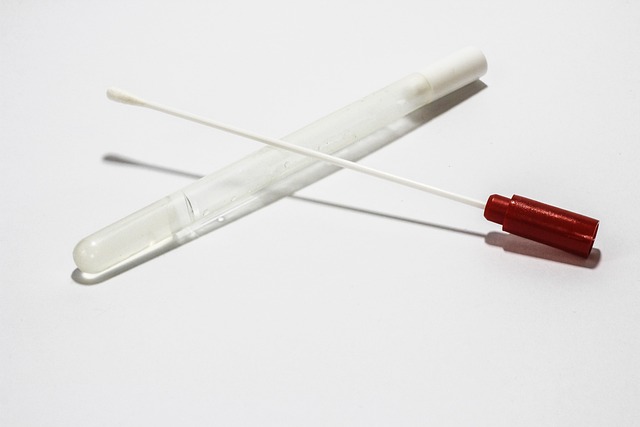
Over-the-counter (OTC) home testosterone test kits have gained popularity as a means for individuals to monitor their hormone levels conveniently and discreetly. These at-home tests offer an alternative to traditional medical approaches, such as visiting a clinic for a kidney blood test in Liverpool or a menopause blood test in Reading. While OTC options provide accessibility and privacy, it’s crucial to assess the quality and reliability of these kits to ensure accurate results.
The market is saturated with various home testosterone test kits, boasting different methods and levels of sensitivity. Some employ urine samples, while others utilize capillary blood draws from fingertips or fingersprings. For instance, a study comparing OTC testosterone tests found that many kits demonstrated good correlation with traditional laboratory methods, particularly those designed for men seeking insights into their male fertility or overall health. However, variations in results between different brands highlight the importance of selecting a reputable manufacturer.
When considering an OTC testosterone test kit, look for products validated by independent labs and backed by scientific research. For example, some kits have been evaluated for accuracy in female fertility blood tests in Milton Keynes, demonstrating their capability to provide meaningful data across diverse populations. Additionally, check for kits that offer multiple testing options—from basic total testosterone measurements to more comprehensive panels including free and bound hormone levels. Reputable manufacturers often provide detailed instructions and customer support, ensuring a smooth and informative experience.
At-Home Test Kits: How to Choose Wisely

Choosing the right at-home testosterone test kit is a crucial step in understanding your hormonal health. With growing interest in self-directed health monitoring, these kits offer a convenient and discreet way to assess testosterone levels. When selecting a home testosterone test kit, it’s important to consider factors like accuracy, ease of use, and whether the test measures both total and free testosterone, as the latter is biologically active and more relevant to overall hormone function.
For instance, some popular options include kits that incorporate dry blood spot (DBS) collection, which involves pricking your finger for a small drop of blood that’s then applied to a collection card. This method allows for at-home testing without the need for a lab visit. While generally accurate, DBS tests can be sensitive to handling and storage conditions, so ensure the kit includes clear instructions and stabilizers to maintain test integrity.
Consider also comparing kits based on their inclusion of other relevant hormone panels. For example, some advanced home testosterone test kits offer comprehensive profiles that include measurements of cholesterol, a marker for cardiovascular health, as well as female hormone levels like estradiol (in men, excess estrogen can contribute to low testosterone). A kit offering a female fertility blood test in Bournemouth or a cholesterol blood test in Manchester could provide valuable insights beyond just testosterone.
Remember, accurate interpretation of results is key. While at-home kits offer valuable information, they shouldn’t replace regular check-ins with a healthcare provider. Discuss your findings with a medical professional who can consider your full medical history and offer personalized guidance based on your unique needs. For example, if your test reveals low testosterone levels, a specialist in Derby can help determine the underlying cause and recommend appropriate treatment options.
Interpreting Results: What Do the Numbers Mean?
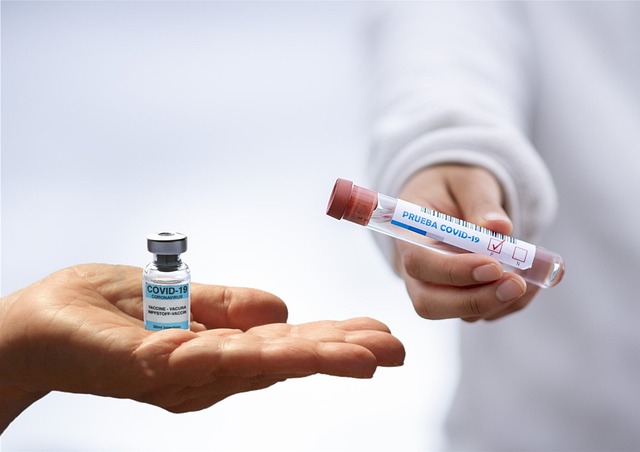
Interpreting the results of a home testosterone test kit is a crucial step in understanding your hormone levels. These at-home tests provide a convenient way to gain insights into your overall health, especially when considering conditions like low testosterone (hypogonadism). The numbers you receive from these kits offer valuable information about various aspects of your hormonal balance.
For instance, a full blood count (FBC) Leicester test might reveal anomalies in red blood cell counts and types, indicating potential issues with hormone production. Similarly, dairy intolerance tests Portsmouth can highlight allergies or sensitivities that could indirectly affect testosterone levels, as some studies suggest a link between gut health and hormone regulation. Additionally, a thyroid blood test Milton Keynes is essential, as thyroid disorders are known to impact testosterone synthesis and metabolism.
When interpreting results, pay attention to reference ranges provided by the testing laboratory. These ranges offer a guideline for normal values but remember that individual variation exists. For instance, a total testosterone level above 300 ng/dL (nanograms per deciliter) is generally considered high, while below 270 ng/dL might indicate potential issues. However, these are broad guidelines; consulting with a healthcare professional is vital to understand the context of your results and receive personalized advice based on your medical history and symptoms. Always consider multiple factors and not just the numbers to ensure accurate interpretation.
Potential Risks & Benefits of Self-Testing
The rise of over-the-counter (OTC) home testosterone test kits has democratized access to hormone level monitoring, once confined to clinical settings. While these kits offer a convenient way for individuals, particularly men concerned about low testosterone levels, to gauge their hormonal health, there are significant risks and benefits associated with self-testing.
One advantage is the empowerment of individuals to take an active role in their health. Home testosterone test kits provide immediate, private, and often affordable access to crucial information. For instance, a man experiencing symptoms like decreased energy, muscle mass loss, or sexual dysfunction can obtain insights into potential hormonal imbalances without facing the sometimes awkwardness or stigma associated with clinical visits. Moreover, self-testing can be particularly beneficial for athletes or individuals involved in physically demanding occupations who want to ensure optimal performance and recovery.
However, there are notable risks. Self-interpretation of results can lead to incorrect conclusions, especially without professional guidance. Testosterone levels naturally fluctuate throughout the day, influenced by factors like stress, exercise, and sleep quality. A single test result may not accurately represent overall hormonal health. Furthermore, home kits generally measure total testosterone, which includes both free and bound forms, but don’t distinguish between them. This can be problematic as free testosterone is the biologically active fraction responsible for many physiological effects.
An example of a misstep in self-testing could occur in individuals outside the typical age range for low testosterone (typically men over 35). False positives or negatives could lead to unnecessary anxiety or, conversely, a failure to address an underlying issue that requires medical intervention. It’s also crucial to consider the context of other health markers, like liver function tests (as seen in Liverpool clinics) and food intolerance (assessed in Derby facilities), as hormone levels interact with overall health.
For those considering home testosterone testing, it’s essential to consult a healthcare professional who can offer tailored advice based on individual needs and medical history. While these kits provide valuable information, they should be viewed as a starting point for further exploration rather than a definitive diagnosis.
Comprehensive Health: Beyond Testosterone Levels

Comprehensive health assessment goes far beyond simply measuring testosterone levels. While over-the-counter home testosterone test kits offer a convenient way to gauge hormone balance, they are just one piece of the puzzle. A truly holistic approach to men’s wellness involves examining various interconnected factors that can impact overall health and vitality. For instance, individuals with dairy intolerance may experience hormonal imbalances, as dairy products can contain hormones and growth factors that could interfere with natural testosterone production. This is particularly relevant for those in Liverpool considering a dairy intolerance test.
Moreover, thyroid function plays a critical role in regulating metabolism and hormone production, including testosterone. A thyroid blood test in Derby can reveal valuable insights into this often-overlooked aspect of men’s health. Imbalances in thyroid hormones T3 and T4 can significantly affect testosterone levels and overall well-being. For example, hypothyroidism, characterized by low thyroid hormone levels, has been linked to decreased testosterone synthesis.
Therefore, a comprehensive approach to health involves not only testing testosterone directly but also considering underlying conditions that might influence its production or metabolism. Regular monitoring of key markers like liver function, vitamin D levels, and even stress hormones through urine or blood tests in Manchester can provide a complete picture. By addressing these multifaceted factors, individuals can optimize their health, enhance their quality of life, and ensure they are supporting their bodies naturally, from the inside out.
By exploring over-the-counter options for comprehensive testosterone panels, this article has equipped readers with a profound understanding of self-testing capabilities. Key takeaways include recognizing the importance of testosterone for overall health, choosing reputable home testosterone test kits that ensure accurate results, and interpreting test data to make informed decisions. Understanding potential risks and benefits empowers individuals to take an active role in their well-being. Moving forward, considering a home testosterone test kit naturally can be a proactive step towards comprehensive health management, fostering a more conscious approach to maintaining optimal hormone levels.