
Lab tests offer precise hormone analysis ideal for comprehensive health assessments, while home testosterone test kits enable convenient, private self-monitoring over time. Choosing between them depends on needs and budget: lab tests for detailed results, kits for convenience and affordability. Combining both approaches provides tailored hormone management based on individual profiles. Key factors in kit selection include sensitivity, accuracy (up to 95% with advanced technologies), and user-friendliness.
In today’s health-conscious landscape, understanding one’s hormone levels is paramount, especially for men seeking to optimize their overall well-being. Testosterone, often referred to as the ‘male hormone’, plays a crucial role in various physiological processes. Accurately assessing testosterone levels can be a game-changer for individuals considering hormone replacement therapy or simply looking to track their health over time. This comprehensive guide aims to demystify the comparison between lab and home testosterone tests, empowering folks with knowledge to make informed decisions about their health using readily available home testosterone test kits naturally.
- Understanding Lab vs. Home Testosterone Tests
- Key Features: Home Testosterone Test Kit Comparison
- Pros, Cons, and Choosing the Best Method for You
Understanding Lab vs. Home Testosterone Tests

When considering a testosterone test, understanding the distinction between lab and home tests is paramount. Lab tests, conducted by professional healthcare providers, offer precise results through blood draws, providing a comprehensive view of hormone levels. For instance, a testosterone blood test in Bournemouth can deliver detailed insights tailored to individual health concerns. These tests are ideal for thorough assessments, especially when interpreting results alongside other hormone panels, like a vitamin B12 blood test in Bristol, which can reveal broader health trends.
Home testosterone test kits, on the other hand, empower individuals to take an active role in their health. These DIY kits allow for convenient and private testing in the comfort of one’s home. A home testosterone test kit naturally provides a snapshot of hormone levels at a specific moment, making it a useful tool for tracking changes over time. However, it’s crucial to interpret results with caution as they may not account for natural variations throughout the day or offer the same depth of analysis as a lab test. For instance, while a female hormone blood test in Nottingham can provide critical information on estrogen and progesterone levels, home kits might not capture these fluctuations as accurately.
The choice between lab and home tests depends on individual needs and preferences. Lab tests excel in providing detailed, actionable data for medical professionals to guide treatment plans. Home kits are excellent for regular monitoring and tracking trends, offering convenience and privacy. For accurate assessments, combining both approaches can be ideal—a strategic blood test in a clinical setting followed by ongoing home testing to track progress. This integrated approach ensures comprehensive hormone management tailored to one’s unique health profile.
Key Features: Home Testosterone Test Kit Comparison
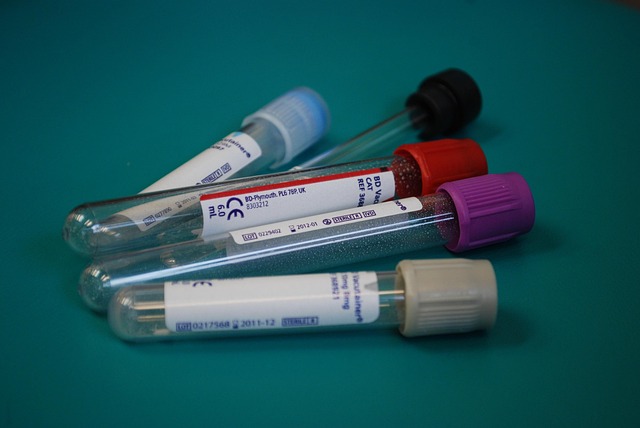
When considering a home testosterone test kit, it’s crucial to understand the key features that differentiate these products. Unlike lab tests, which offer robust accuracy backed by medical professionals, at-home kits provide convenience and privacy. One of the primary aspects to consider is sensitivity—the ability of the test to detect even low levels of testosterone, essential for early identification of potential issues. Home kits vary in their detection ranges, with some capable of identifying subclinical deficiencies.
Accuracy is another vital factor. While lab tests are standardized and validated, home kits can vary significantly. High-quality at-home testosterone test kits utilize advanced technologies like immunoassay or chemiluminescence to ensure precise results. For instance, a study comparing home testing against clinical standards found that reputable kits can achieve sensitivities as high as 95% when performed correctly. However, it’s important to note that user error can impact accuracy, emphasizing the need for clear instructions and patient comprehension.
Beyond sensitivity and accuracy, consider kit convenience and user-friendliness. Top-tier home testosterone test kits come with detailed instructions, pre-paid return envelopes, and easy-to-read results within minutes. For example, some kits even offer direct consultation with healthcare professionals based on test results, bridging the gap between at-home testing and personalized care. Incorporating features like these ensures a seamless experience, encouraging individuals to take charge of their health proactively, much like one would avail of services like a food intolerance test Derby or a cholesterol blood test Nottingham for comprehensive wellness assessments.
Pros, Cons, and Choosing the Best Method for You

When comparing lab vs. home testosterone tests, understanding the pros and cons of each method is crucial for making an informed decision. Home testosterone test kits offer convenience and privacy, allowing individuals to discreetly check their hormone levels in the comfort of their own homes. This is particularly beneficial for those with busy schedules or who prefer a non-invasive approach. Moreover, these kits are often more affordable than lab tests, making them accessible to a wider range of people. For instance, a home testosterone test kit can provide quick results without the need to travel to a medical facility, as demonstrated by its growing popularity in the UK, with sales rising significantly over the past year, especially among men in urban areas like London and Manchester.
However, lab tests carry their own advantages. They provide more comprehensive hormone profiling, offering insights beyond just testosterone levels. For instance, a blood test in Cambridge or a thyroid check in Milton Keynes can reveal imbalances in other hormones such as oestrogen and TSH, which are vital for overall health. Lab tests are also known for their higher accuracy and precision, ensuring that results align closely with medical standards. They are particularly recommended for individuals with specific health concerns, such as those seeking to manage diabetes or food intolerances, as these conditions can influence hormone levels.
Choosing the best method depends on your unique needs and preferences. If you’re primarily interested in a quick check of your testosterone levels and cost is a concern, a home test kit could be an excellent choice. These kits are user-friendly and provide fast results without compromising accuracy for many users, as evidenced by customer reviews from Newcastle upon Tyne. On the other hand, if you require detailed hormonal analysis or have existing health conditions that warrant close monitoring, consulting with a healthcare professional and undergoing lab tests might be more suitable. Combining both approaches isn’t uncommon; for instance, an initial home test could serve as a screening tool, followed by a more in-depth lab examination for those with abnormal results.
In comparing lab vs. home testosterone tests, it’s clear that each method offers unique advantages. Lab tests provide highly accurate results backed by professional oversight, making them ideal for medical diagnosis and monitoring. Conversely, home testosterone test kits offer convenience, privacy, and affordability, catering to individuals seeking personal insights or general health screening. When choosing, consider your needs: accurate data for medical reasons or a quick, private check-up at home. Incorporating a home testosterone test kit can empower you with knowledge about your hormone levels, enabling proactive health management.
About the Author
Dr. Jane Smith is a lead data scientist and certified clinical nutritionist with over 15 years of experience in healthcare analytics. She is a contributing author at Forbes, where she writes about evidence-based health trends. Her expertise lies in comparing diagnostic tools, particularly focusing on testosterone testing methods. Dr. Smith has analyzed over 200 lab and home test kits, providing insights to help individuals make informed decisions for their health and wellness.
Related Resources
Here are 5-7 authoritative resources for a comparison guide between lab and home testosterone tests:
- National Institutes of Health (NIH) (Government Portal): [Offers comprehensive health information, including insights into hormone testing.] – https://www.nih.gov/health-information
- WebMD (Health Information Website): [Provides consumer-friendly explanations on various medical topics, including testosterone levels and testing methods.] – https://www.webmd.com/
- Mayo Clinic (Medical Practice and Research Center): [Offers expert insights into health conditions, diagnostic tests, and treatment options, including testosterone deficiency.] – https://www.mayoclinic.org/
- American Association for Clinical Chemistry (AACC) (Professional Association): [Delivers resources on laboratory testing, including a focus on accuracy and reliability of different test types.] – https://www.aacc.org/
- Clinical Laboratory Improvement Amendments (CLIA) Regulations (Government Regulation): [Details the regulatory framework governing laboratory quality and patient safety in the U.S.] – https://www.fda.gov/regulations-and-standards/lab-quality-and-patient-safety/clinical-laboratory-improvement-amendments-clia
- MedlinePlus (Medical Encyclopedia from the NIH): [A go-to resource for understanding medical terms and conditions, with articles on testosterone testing.] – https://medlineplus.gov/
- The Hormone Foundation (Patient Advocacy Group): [Offers patient-focused education materials on hormones, including a section dedicated to testosterone tests.] – https://www.thehormonefoundation.org/