
Home testosterone test kits offer privacy and convenience but may lack accuracy compared to lab tests. Lab tests provide superior precision due to professional analysis and standardized protocols. Combining self-evaluations with professional lab tests ensures comprehensive health insights. Choice depends on personal needs: home kits for routine checks, lab tests for complex issues and expert advice. Proper instruction, consistent testing, and reputable manufacturers enhance kit reliability. For optimal privacy and accuracy, seek secure labs offering confidential reporting and expert interpretation. Balance cost and reliability when making a decision about testosterone testing.
Understanding your testosterone levels is crucial for overall health and well-being, especially as we age. However, navigating the options for accurate testing can be confusing. This comprehensive guide aims to demystify the process by comparing laboratory (lab) testosterone tests against their increasingly popular at-home counterparts, specifically focusing on home testosterone test kits. We’ll dissect the advantages, disadvantages, accuracy, convenience, and costs associated with each method, empowering you to make an informed decision based on your needs and lifestyle.
- Understanding Testosterone Tests: Lab vs Home Kits
- Advantages and Disadvantages: Choosing Between Labs and Home
- Accuracy Assessment: Comparing Lab to Home Test Reliability
- Privacy Considerations: Home Test Kits vs Professional Labs
- Cost Analysis: Budget-Friendly Home Test Kit or Laboratory Testing?
Understanding Testosterone Tests: Lab vs Home Kits

When considering a home testosterone test kit versus a lab test, it’s crucial to understand the nuances of each option for accurate self-assessment. Home kits, increasingly popular, offer convenience and privacy but may lack the precision of laboratory testing. These at-home tests typically involve a simple finger prick, providing quick results in the comfort of your own home. However, factors like user error or variations in hormonal levels throughout the day could impact the accuracy of these kits.
In contrast, lab tests, such as those available through services like the thyroid blood test Portsmouth, male hormone blood test Southampton, and vitamin D blood test Derby, provide more comprehensive and precise data. Collected through a simple blood draw, these tests are analyzed by qualified professionals, ensuring more reliable results. Lab testing captures a more stable snapshot of hormonal levels, making it ideal for those seeking detailed health insights or managing specific medical conditions.
For instance, a study published in the Journal of Clinical Endocrinology & Metabolism found that home testosterone test kits had a higher margin of error compared to lab tests, particularly for individuals with varying hormone levels throughout the day. While home kits are a convenient starting point for self-evaluation, consulting with a healthcare provider and complementing these tests with laboratory analyses like those offered in Southampton or Derby can offer a more holistic understanding of one’s health. This combination ensures that any anomalies detected at home are further investigated using more precise, professional testing methods.
Advantages and Disadvantages: Choosing Between Labs and Home

When considering a testosterone test, individuals often grapple with the choice between lab and home options. This decision is pivotal as it influences both accuracy and convenience. A home testosterone test kit, for instance, offers the advantage of privacy and immediacy, allowing you to conduct the test in the comfort of your own home. It’s particularly appealing for those who prefer a discreet approach or have busy schedules, eliminating the need to visit a clinic. Moreover, many home kits are designed with user-friendliness in mind, providing clear instructions and results within minutes.
Conversely, lab tests boast superior accuracy and comprehensive analysis. A vitamin B12 blood test in Bristol or a female hormone blood test in Oxford, for example, can offer deeper insights into hormonal imbalances thanks to advanced laboratory equipment and expert interpretation. Labs are also ideal for individuals with specific health concerns, as they provide a broader range of tests beyond testosterone, such as dairy intolerance testing in Liverpool, catering to diverse medical needs. While lab tests may not be as convenient, the precision they offer is invaluable for those seeking reliable diagnostic data.
The choice ultimately hinges on personal preferences and healthcare requirements. For routine checks or general interest, a home testosterone test kit can be an excellent starting point. Its ease of use and rapid results make it accessible to a wide range of users. However, for more complex health issues or where accuracy is paramount, consulting a healthcare professional and opting for a lab test could be the smarter choice. This approach ensures access to specialized facilities and expert advice, providing a more comprehensive understanding of one’s health status.
Accuracy Assessment: Comparing Lab to Home Test Reliability
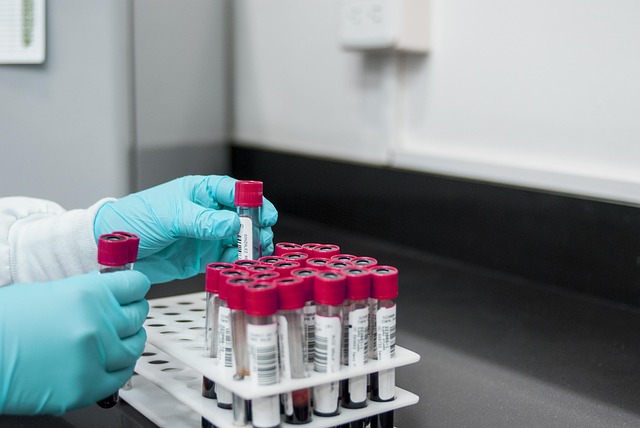
When comparing lab tests to home testosterone test kits, understanding their accuracy and reliability is paramount. Lab tests, like those offered at facilities in Sheffield for kidney blood analysis or Newcastle for liver function checks, are considered gold standards due to their stringent quality control measures and standardized procedures. These tests are typically more precise, as they’re conducted by trained professionals using advanced equipment, ensuring consistent results over time.
Home testosterone test kits, on the other hand, offer a convenient and accessible option for individuals who prefer self-testing. These at-home kits have evolved significantly, employing advanced technologies like immunoassay methods to provide reasonably accurate readings. However, their reliability can vary due to factors like user error or changes in testing conditions. For instance, environmental factors such as temperature or storage of the test kit can impact results, unlike a controlled lab setting.
A study comparing home testosterone tests against validated laboratory methods found that while many kits demonstrated acceptable sensitivity and specificity, significant variations existed between brands. The research underscores the importance of choosing reputable manufacturers and understanding the limitations of at-home testing. For instance, those with conditions like dairy intolerance in Coventry might face challenges as certain test kits may not account for potential interference from dietary sources.
To ensure accuracy, individuals opting for home testosterone tests should adhere strictly to manufacturer instructions, maintain a consistent testing routine, and consider regular calibration of the device. For critical assessments or when symptoms are ambiguous, consulting healthcare professionals remains invaluable. They can guide patients on interpreting results and recommend appropriate follow-up actions, ensuring a comprehensive understanding of their health status.
Privacy Considerations: Home Test Kits vs Professional Labs

When considering a home testosterone test kit versus professional lab testing, privacy is a paramount concern. Home kits offer convenience and discretion, allowing individuals to conduct tests privately in their own homes without the need for visits to clinics or labs. This is particularly appealing for those who may feel uncomfortable discussing such matters in a public setting or who have busy schedules that make scheduling lab appointments challenging. However, it’s crucial to examine how these privacy considerations play out in practice.
While home testosterone test kits provide anonymity and comfort, they come with inherent risks regarding accuracy and interpretation. Unlike professional labs, which employ standardized protocols and experienced technicians for accurate reading of results, at-home kits may be subject to user error or variability in testing conditions. For instance, improper sample collection or incorrect storage can lead to inaccurate vitamin D blood test readings or thyroid blood test results. In the case of testosterone, where fluctuations can significantly impact health, reliable home test kits must adhere to stringent quality control measures to ensure consistent and accurate measurements.
Professional lab testing offers a more comprehensive approach to privacy protection through secure handling of samples and confidential reporting. Medical labs are equipped with advanced technology for precise hormone level analysis, such as testosterone blood tests in Nottingham, ensuring results that are both reliable and actionable. For individuals concerned about privacy but seeking the highest levels of accuracy, visiting a reputable lab for testing can provide peace of mind. Additionally, professional healthcare providers can offer expert advice based on test results, helping users to interpret their data and make informed decisions regarding their health.
Cost Analysis: Budget-Friendly Home Test Kit or Laboratory Testing?
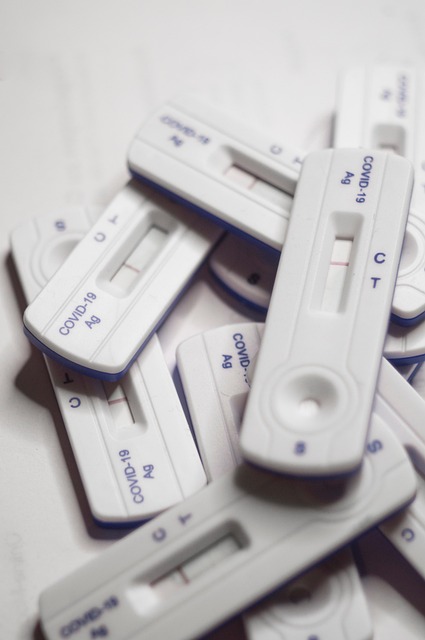
When considering a testosterone test, one of the primary factors to weigh is cost. Home testosterone test kits have gained popularity due to their accessibility and affordability. These at-home tests offer a convenient way for individuals to monitor their hormone levels in the privacy of their homes. Typically, these kits include a self-collection device, such as a swab or blood collection tube, and a testing strip or card that provides results within minutes. While this option is budget-friendly, particularly when compared to laboratory testing, it’s essential to evaluate the overall accuracy and reliability of home test kits.
Laboratory testing, on the other hand, offers more comprehensive and precise results. Blood tests for testosterone levels, such as a full blood count in Leicester, are conducted by skilled medical professionals using advanced equipment. This method ensures higher accuracy, especially when dealing with complex cases or individuals experiencing symptoms of low testosterone during menopause. While laboratory testing may come at a higher cost, it provides valuable insights and peace of mind. For instance, a study published in the Journal of Clinical Endocrinology & Metabolism found that home-based testosterone tests had a higher rate of false positives compared to blood tests performed in a clinical setting.
Considering the differences in accuracy and reliability, individuals should assess their budget and specific needs. Home testosterone test kits can be an excellent choice for those seeking a quick, private assessment, especially if initial results fall within the normal range. However, for men experiencing severe symptoms or those with a history of hormone-related issues, consulting a healthcare professional and undergoing a comprehensive blood test in Portsmouth might be more suitable. Ultimately, balancing cost and accuracy is key to making an informed decision regarding testosterone testing.
After a comprehensive analysis of lab versus home testosterone tests, it’s clear that both options have unique advantages and considerations. Understanding the nuances of each approach is essential for making an informed decision. Home testosterone test kits offer privacy, convenience, and affordability, making them an attractive choice for personal use or initial screening. However, their accuracy and reliability may vary, and they lack the professional oversight provided by laboratory testing. On the other hand, labs ensure precise results and expert interpretation but come at a higher cost and with less privacy. When considering a home testosterone test kit, prioritizing accuracy and seeking medical advice when needed is crucial. This guide empowers individuals to make an educated choice tailored to their preferences and health goals, ensuring they receive valuable insights into their hormonal health in the most suitable manner.