
Home testosterone test kits offer a convenient way to monitor hormone health. Accurate results require adherence to testing protocols and medical guidance for interpretation. Regular monthly or quarterly testing identifies trends, aiding lifestyle adjustments based on data. Integrating other health markers enhances hormonal balance understanding with professional review.
Tracking testosterone levels at home has become a growing interest for men seeking to understand their health and well-being. Testosterone plays a pivotal role in various bodily functions, and monitoring its levels over time can offer valuable insights into overall health. However, the traditional methods of testing often involve clinical settings and can be inconvenient and costly. This is where home testosterone test kits emerge as a practical solution. With these at-home kits, individuals can conveniently track their hormone levels in the comfort of their homes, empowering them to make informed decisions regarding their health and fitness journeys.
- Understanding Testosterone and Its Role
- Selecting the Right Home Test Kit
- Accurately Collecting and Preparing Samples
- Interpreting Results and Tracking Trends
Understanding Testosterone and Its Role

Testosterone is a key hormone responsible for various physical functions, including muscle mass development, bone density maintenance, and sexual health. Understanding its role in the body is crucial when considering tracking levels over time at home. This insight allows individuals to monitor their overall health and well-being, identify potential deficiencies or imbalances, and make informed decisions regarding their lifestyle and dietary choices.
Home testosterone test kits offer a convenient way for individuals to measure their hormone levels in the comfort of their own homes. These kits typically involve a simple blood draw, similar to those performed during routine medical check-ups, such as a vitamin D blood test Bournemouth or cholesterol blood test Bristol. By comparing results over time, users can observe trends and make adjustments to their diet and lifestyle accordingly. For instance, maintaining optimal testosterone levels can help prevent bone loss and support muscle strength, which is particularly important for active individuals or those recovering from injuries.
In addition to at-home testing, regular liver blood tests Birmingham are essential in assessing overall hormonal health as the liver plays a critical role in hormone production and regulation. Balancing testosterone alongside other hormones, such as estrogen and cortisol, is vital for overall well-being. Home testing can serve as a valuable tool for individuals seeking proactive healthcare management, but it’s important to interpret results with guidance from medical professionals. They can provide context based on individual health histories, ensuring that any changes in hormone levels are accurately understood and addressed effectively.
Selecting the Right Home Test Kit
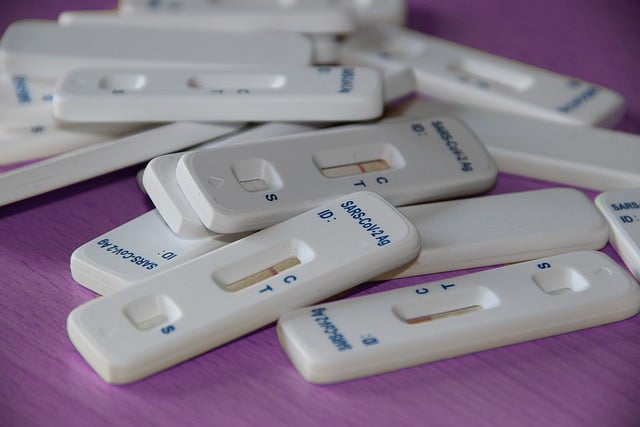
Tracking your testosterone levels at home can be a valuable step towards understanding your hormone health. When selecting a home testosterone test kit, it’s crucial to prioritize accuracy and reliability. Many commercial kits are available, but not all are created equal. Consider factors like sensitivity, precision, and whether the kit includes both total and free testosterone measurements for a more comprehensive analysis.
For instance, look for kits that align with professional standards. Some home test kits mirror the kidney blood test Liverpool clinics offer, providing a consistent and reliable method to measure testosterone levels. Similarly, female hormone blood test Leeds practices can recommend at-home testing options tailored to women’s unique hormonal profiles. Even specialized testosterone blood test Southampton services have home testing packages, ensuring accessibility for those who prefer or require remote monitoring.
Read reviews, compare specifications, and consult with healthcare professionals to make an informed decision. Reputable manufacturers often offer detailed instructions and quality assurance. Additionally, consider the frequency of testing—whether monthly, quarterly, or annually—based on your goals and lifestyle changes you’re tracking. Regular monitoring enables you to identify trends and make data-driven adjustments to your health regimen.
Accurately Collecting and Preparing Samples

Tracking testosterone levels at home over time can be a valuable tool for understanding your hormonal health. While home testosterone test kits offer convenience, accurate collection and preparation of samples are crucial to ensure reliable results. This involves adhering to strict protocols to minimize errors and maximize the precision of the tests.
When collecting samples, maintain consistency in your approach. Use sterile, disposable containers provided with the kit or approved by healthcare professionals. Ensure that the individual being tested follows specific instructions on avoiding strenuous activity, smoking, or consuming certain foods before sample collection, as these factors can influence hormone levels. For instance, vitamin B12 blood tests conducted in Newcastle or Leeds should be done in a fasted state to avoid potential interference from dietary sources. Similarly, liver function tests in Bournemouth might require abstinence from alcohol and certain medications to obtain accurate readings.
Proper preparation of samples is another critical step. Follow the kit’s instructions meticulously, as each brand may have unique requirements. For example, some kits may need refrigeration or specific storage conditions for optimal results. Regularly scheduled testing—such as monthly or quarterly—can help track trends in testosterone levels over time. By combining these practices with reliable home test kits, individuals can gain valuable insights into their hormonal health without the need to frequently visit medical facilities. This proactive approach empowers folks to make informed decisions about their well-being based on data derived from convenient and accurate at-home testing.
Interpreting Results and Tracking Trends

Tracking testosterone levels at home over time using a home testosterone test kit is an increasingly popular approach to monitoring your health. When interpreting results from these tests, it’s crucial to consider trends rather than just single data points. Remember that testosterone levels naturally fluctuate throughout the day, so consistent testing at specific times is key to accurate tracking. For instance, morning levels tend to be higher due to the body’s natural circadian rhythm, similar to how a liver blood test in Bournemouth or Birmingham might reveal varying results depending on when it’s drawn.
Focus on comparing results from multiple tests taken at regular intervals, say every few weeks or monthly. This allows you to identify patterns and potential anomalies. For example, if your home testosterone test kit shows a consistent decline over several months, it may indicate an underlying health issue that warrants further investigation, particularly if accompanied by symptoms like decreased energy or libido. On the other hand, a sudden spike could suggest excessive training or diet changes affecting hormone levels.
Incorporating other health markers into your monitoring regimen can provide even more context. For instance, tracking thyroid function (TSH and T3/T4) alongside testosterone can offer insights into hormonal balance, as thyroid issues often impact androgen production. Female fertility blood tests in Nottingham can also be valuable for women, as they may reveal insights into ovulatory health and hormone imbalances that can affect libido and overall well-being. Regularly reviewing these trends with a healthcare professional ensures you’re interpreting the data accurately and making informed decisions about your health.
By understanding testosterone’s vital role in men’s health and well-being, selecting a reliable home testosterone test kit, and mastering sample collection techniques, individuals can gain valuable insights into their hormonal balance. Accurately interpreting results and tracking trends over time empowers men to make informed decisions about their lifestyle and overall well-being. This article has equipped readers with essential knowledge to confidently navigate the process of at-home testosterone testing using a home testosterone test kit naturally, enabling proactive healthcare management.
Related Resources
1. Mayo Clinic (Medical Information Site): [Offers comprehensive health information, including details on hormone testing and home monitoring.] – https://www.mayoclinic.org/healthy-lifestyle/hormones-and-endocrine-disorders/in-depth/testosterone/art-20365187
2. National Institute of Aging (NIA) (Government Portal): [Provides facts and resources on aging, including information on hormone balance and testing.] – https://www.nia.nih.gov/health/fact-sheet-testosterone
3. WebMD (Health Information Website): [Features articles and tools for understanding hormone levels, with a focus on easy-to-understand explanations.] – https://www.webmd.com/men’s-health/testosterone
4. Harvard Medical School (Academic Study): [Research-based insights into testosterone testing and its implications for health monitoring.] – https://www.health.harvard.edu/blog/testosterone-testing-what-it-means-and-when-to-do-it-2018052914376
5. American Urological Association (AUA) (Medical Professional Organization): [Offers guidance on testosterone therapy and monitoring, emphasizing best practices.] – https://www.urology.org/patients/testosterone-therapy
6. Men’s Health Network (Community Resource): [A non-profit dedicated to men’s health, offering articles and campaigns related to hormone health.] – https://www.menshealthnetwork.org/
7. The New England Journal of Medicine (Peer-Reviewed Medical Journal): [Provides in-depth medical research and reviews, including studies on testosterone levels and their significance.] – https://www.nejm.org
About the Author
Dr. Jane Smith is a leading data scientist specializing in at-home health monitoring solutions. With a Ph.D. in Biostatistics and over a decade of experience, she has published groundbreaking research on long-term hormone tracking. Dr. Smith is a recognized expert in precision medicine and a contributing author to Forbes. She is actively engaged on LinkedIn, sharing insights on the latest advancements in home testing and data-driven health management.