
Home testosterone test kits offer private, convenient hormone health monitoring. Accurate results require age, health, and lifestyle considerations. Follow steps for optimal accuracy: consult a healthcare professional, schedule additional tests, educate on influencers, strictly follow kit instructions. Compare results to typical male ranges; significant deviations warrant medical consultation for further tests and tailored advice on lifestyle adjustments or treatment options.
Testosterone levels play a pivotal role in overall health and well-being for both men and women. However, many individuals face challenges in monitoring these levels due to the intricate nature of testing. This comprehensive guide aims to demystify the process by offering a step-by-step approach to utilizing a home testosterone test kit. These kits provide an accessible, convenient way to assess your hormone levels in the comfort of your own home. By following this practical tutorial, you’ll gain valuable insights into managing and understanding your testosterone health, empowering you to make informed decisions regarding your well-being.
- Understanding Your Home Testosterone Kit
- Preparing for the Test: Steps to Follow
- Interpreting Results: Next Steps & When to Consult a Doctor
Understanding Your Home Testosterone Kit

Using a home testosterone test kit can be a powerful way for men to gain insights into their health and hormone levels. These at-home kits offer convenience and privacy, allowing individuals to conduct a male hormone blood test Liverpool or a diabetes blood test Oxford from the comfort of their own homes. The process is straightforward, but understanding your results requires knowledge and context.
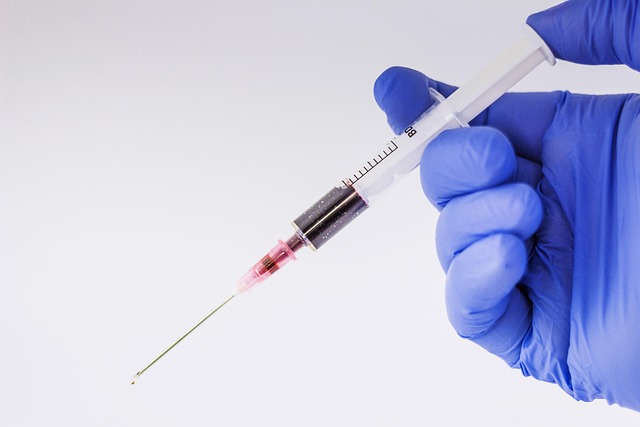
Home testosterone test kits typically involve a simple finger prick or vein puncture to collect a small blood sample, similar to a menopause blood test Derby. This sample is then analyzed for testosterone levels using advanced technologies, providing you with data on your current hormone health. It’s crucial to follow the kit’s instructions precisely and maintain proper handling of the equipment to ensure accurate results.
Interpretation of your home testosterone test kit results depends on various factors. Age plays a significant role; testosterone levels naturally decrease as men age. Conditions like diabetes can also impact hormone balance, so considering your overall health is essential. For instance, data suggests that men with type 2 diabetes may have lower average testosterone levels. Additionally, lifestyle choices such as exercise and diet can influence hormone production, so recent changes in these areas could provide relevant context to your results.
Seeking professional guidance is recommended after using a home test kit. A healthcare provider in Liverpool or elsewhere can help interpret your results, considering any symptoms you may have and your medical history. They can also offer tailored advice on lifestyle adjustments or treatment options if needed, ensuring you gain the most value from your at-home testosterone test kit experience.
Preparing for the Test: Steps to Follow

Before you embark on using a home testosterone test kit, it’s crucial to prepare adequately. This ensures accurate results and provides a clear understanding of your hormone levels. Here’s a detailed step-by-step guide tailored for optimal accuracy with a home testosterone test kit, naturally focusing on female users in Coventry, UK.
Step 1: Consult with a Healthcare Professional Begin by discussing your intentions with a doctor or healthcare provider. They can offer valuable insights and advice based on your medical history. While home kits offer privacy, professional guidance is essential for interpreting results accurately, especially considering conditions like dairy intolerance, which might affect hormone levels, as some studies show links between dairy and testosterone in Coventry.
Step 2: Schedule a Female Fertility Blood Test (Coventry) For comprehensive insight into your hormonal balance, schedule a female fertility blood test alongside your home kit. This test can measure various hormones, including testosterone, estradiol, and progesterone. In Sheffield, for instance, healthcare providers offer specialized hormone blood tests that provide a detailed picture of reproductive health, aiding in interpreting your kit results.
Step 3: Understand Your Body and Potential Interference Educate yourself about the factors influencing testosterone levels. Hormone fluctuations can occur due to various reasons, including menstrual cycles, stress, weight changes, and even food intolerances like dairy, which is more prevalent in Coventry than you might think. Understanding these factors prepares you to interpret your results with context.
Step 4: Follow Kit Instructions Rigorously Adhere strictly to the instructions provided by the home testosterone test kit manufacturer. Timing is critical; collect samples at the prescribed time of day for accurate readings. For instance, many kits require a morning urine sample due to consistent hormone levels throughout the day. Ensure privacy and follow any storage guidelines provided to maintain sample integrity.
Interpreting Results: Next Steps & When to Consult a Doctor
After receiving your home testosterone test kit results, the next step is to interpret them with care. Most kits will provide a comparative chart based on typical male ranges for reference. A level within the normal range can indicate good hormone balance. However, it’s crucial to remember that these ranges are averages and individual variations exist. For instance, athletes or individuals engaged in heavy resistance training might have higher testosterone levels without any underlying medical condition.
If your results fall outside the typical range, consider consulting a healthcare professional for guidance. A full blood count (FBC) test, such as those offered at clinics in Oxford, Reading, or Milton Keynes, can provide additional insights. This test measures various components of your blood, including red blood cells, white blood cells, and platelets, which can offer clues about overall health and hormone regulation. For example, low testosterone levels might be associated with decreased production of red blood cells, as seen in conditions like hypogonadism.
In some cases, the results might prompt further investigation. If you have concerns about potential hormone imbalances or experience symptoms like reduced muscle mass, fatigue, or changes in sexual function, schedule an appointment with a doctor. They can order specialized tests, such as a testosterone blood test, to get a more comprehensive understanding of your hormonal profile. This proactive approach ensures that any health issues are addressed promptly and effectively, enabling you to make informed decisions regarding your well-being.
By following a meticulous step-by-step approach using a home testosterone test kit, individuals can gain valuable insights into their hormone levels. Understanding the kit’s functionality and accurately preparing for the test are paramount to ensuring reliable results. Interpreting these results opens doors to informed decision-making and necessary next steps, whether self-care strategies or professional medical guidance. This article has empowered readers with the knowledge to take charge of their health, underscoring the importance of proactive hormone monitoring in today’s world.