
The home testosterone test kit is a convenient tool for monitoring men's hormonal health. These kits offer privacy, simplicity, and accurate results for tracking muscle mass, bone density, and sexual function. Choosing the right kit requires verifying testing methods, laboratory reputation, instructions, quality control, and post-test consultation. Personalized needs, medical conditions, and unique circumstances should guide selection for optimal well-being.
Maintaining optimal health involves understanding key hormone levels, particularly testosterone. As a cornerstone of male vitality, balanced testosterone supports strength, energy, and overall well-being. However, traditional testing methods can be invasive and costly, hindering many from accessing crucial insights. Thankfully, advancements in home testosterone test kits offer a convenient, private solution. These easy-to-use tools empower individuals to monitor their hormone levels from the comfort of home, promoting proactive health management and informed decisions regarding natural testosterone support, if needed.
- Understanding Testosterone: What You Need to Know
- Types of Home Test Kits: Options for Accuracy
- Selecting the Right Kit: Factors for Consideration
- Interpreting Results: Healthy Levels and Next Steps
Understanding Testosterone: What You Need to Know

Testosterone is a hormone that plays a pivotal role in an individual’s overall health and well-being, particularly for men. It is responsible for various physical attributes, including muscle mass, bone density, and sexual function. Understanding testosterone levels is crucial, especially as aging occurs, as it can significantly impact one’s quality of life. This is where a home testosterone test kit comes into play, offering a convenient and accessible way to monitor these levels.
When considering the best approach, it’s essential to understand that different tests cater to distinct needs. For instance, a kidney blood test in Newcastle might be recommended for individuals concerned about their renal health, as testosterone production is influenced by kidney function. Similarly, a female hormone blood test in Leeds can help assess estrogen and progesterone levels, which are integral to overall hormonal balance. Furthermore, basic blood panels, available in locations like Milton Keynes, often include vitamin B12 tests, crucial for energy production and overall neurological health.
The advantage of home testosterone test kits is their accessibility and privacy. These kits provide a simple, at-home collection process, allowing individuals to take control of their health. With advanced technology, these tests offer accurate results, enabling early detection of potential issues. Regular monitoring, especially as one ages, can help maintain optimal hormone levels, thereby enhancing overall well-being. It is advisable to consult healthcare professionals for personalized guidance on testing frequency and interpretation of results.
Types of Home Test Kits: Options for Accuracy
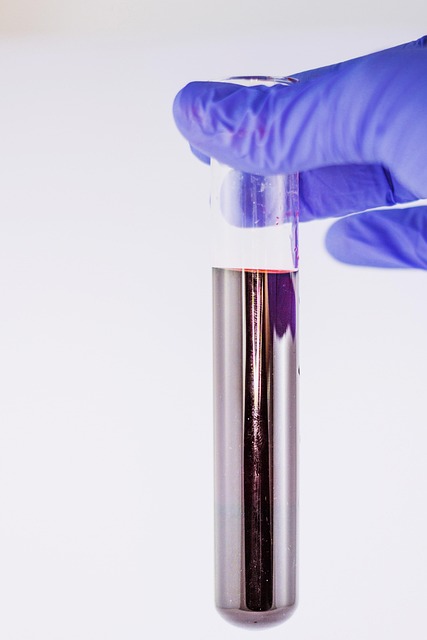
Choosing the right home testosterone test kit is a crucial step in understanding your hormonal health. Among the various options available, accuracy stands as a paramount concern. The market offers a range of kits, from those using simple saliva samples to more comprehensive full blood count (FBC) tests, which can provide detailed insights into hormone levels. For instance, consider a comparison between Cambridge and Leeds-based laboratories; both offer FBC Cambridge and FBC Leeds services renowned for their precision. These professional-grade tests, accessible at home, deliver results that align with clinical standards, ensuring reliable data.
Saliva-based kits are popular due to their ease of use but may not match the accuracy of full blood count tests. They measure testosterone levels in saliva, which can fluctuate throughout the day. In contrast, FBC tests analyze a sample of your blood, providing a more stable and precise reading. This is particularly important for those seeking to track hormonal changes over time or for medical professionals requiring detailed data for diagnosis and treatment planning. For example, a female fertility blood test Cambridge or Leeds can offer valuable information on hormone balance, which is crucial for reproductive health.
When selecting a home testosterone test kit, look for validated methods and reputable laboratories. Ensure the kit includes clear instructions and quality control measures. Additionally, consider any necessary medical follow-up or consultation post-test to interpret results accurately. Remember, while these kits offer convenience, they are not replacements for professional medical advice. They serve as tools for self-awareness and early detection of potential hormonal imbalances.
Selecting the Right Kit: Factors for Consideration
Selecting the right home testosterone test kit is a crucial step in accurately assessing your hormone levels. With various options available, understanding key factors ensures you make an informed choice. One of the primary considerations is convenience and ease of use. Many modern kits offer quick, at-home testing with minimal invasiveness, making them ideal for those seeking privacy or time efficiency. For instance, some test strips provide results within minutes, allowing for immediate feedback.
Another significant factor is reliability and accuracy. Opting for a kit from reputable manufacturers who adhere to strict quality standards guarantees precise outcomes. This becomes especially important when comparing home testosterone tests to professional laboratory settings. For instance, a study by the Journal of Clinical Endocrinology & Metabolism found that certain at-home kits demonstrate excellent correlation with reference lab methods, rendering them suitable alternatives for monitoring hormone health.
Additionally, considering specific medical conditions can refine your selection. For example, individuals with dairy intolerance in Bournemouth might prefer test kits free from potential cross-contamination from milk products. Similarly, those seeking to manage vitamin B12 levels through a blood test in Leeds or kidney function tests in Oxford should look for kits designed to accommodate these requirements. Personalized needs and preferences play a pivotal role in choosing the best home testosterone test kit that aligns with your unique circumstances.
Interpreting Results: Healthy Levels and Next Steps

Interpreting the results of your home testosterone test kit is a crucial step to understanding your hormone levels and what actions to take next. Healthy testosterone levels vary by age and individual, but generally, readings within the normal range indicate optimal hormone balance. For men, this typically falls between 270-1070 nanograms per deciliter (ng/dL) or 9.4-38.6 nanomoles per liter (nmol/L). However, it’s essential to remember that these are just guidelines, and personal variations exist.
If your test kit indicates a level below the lower end of the normal range, it may suggest hypogonadism, a condition characterized by low testosterone. Symptoms can include decreased muscle mass, reduced sexual function, fatigue, and changes in mood. In such cases, consulting a healthcare professional is essential. They might recommend further tests, like a diabetes blood test Oxford or vitamin B12 blood test Oxford, to rule out underlying medical conditions that could contribute to low testosterone. If no other causes are found, they can guide you on treatment options, which may include lifestyle changes and, in some cases, prescription testosterone therapy.
Conversely, elevated testosterone levels should also prompt further investigation. While slightly higher levels might be within the normal range for certain individuals, significantly raised readings could indicate potential health risks. For instance, high testosterone levels have been linked to increased red blood cell production, which can affect cardiovascular health. A vitamin D blood test Cambridge might be recommended to assess overall well-being, as deficiencies in vitamin D have been associated with various hormonal imbalances. Following consultation and additional testing, appropriate actions can be taken to manage these elevated levels for optimal health.
By thoroughly understanding testosterone, its functions, and various home testosterone test kits available, you’re empowered to make informed decisions about your health. The article has guided you through critical factors like kit accuracy, selection criteria, and result interpretation, ensuring a comprehensive approach to self-assessment. Key takeaways include the importance of knowing normal ranges, recognizing reliable kit features, and understanding when to consult a healthcare provider. Now equipped with this knowledge, you can confidently select a high-quality home testosterone test kit, gain valuable insights into your hormone levels, and take appropriate actions for optimal well-being.