
Home testosterone test kits provide a convenient way for men to monitor hormone levels privately. These tests measure total testosterone via finger prick samples, offering quick results. Interpretation requires context; daily fluctuations and natural variations affect readings. For accurate diagnosis, consult healthcare professionals who can guide tailored advice and complement home tests with other health assessments. Significant imbalances may warrant further investigation into overall health and lifestyle adjustments.
Testosterone levels play a pivotal role in overall health and well-being for men. As we age, maintaining optimal testosterone levels becomes increasingly vital to preserve energy, muscle mass, libido, and cognitive function. However, low T is a common concern, affecting many men across various demographics. Traditionally, assessing testosterone required clinical visits and invasive procedures. Thankfully, home testosterone test kits offer a convenient, accessible solution for men looking to proactively monitor their hormone levels in the comfort of their own homes. This article delves into the world of home testosterone test kits, reviewing top-rated options available on the market today to empower individuals with valuable insights for informed decision-making.
- Understanding Testosterone: The Hormone & Its Functions
- Home Testosterone Test Kits: What to Expect
- Reviewing Top-Rated Home Test Kits Naturally
- Interpreting Results & Next Steps for Optimal Health
Understanding Testosterone: The Hormone & Its Functions

Testosterone is a hormone that plays a pivotal role in both men’s and women’s bodies, though it’s often discussed primarily in relation to male health. As a key component of sexual development and function in males, testosterone promotes muscle mass growth, bone density, fat distribution, and sex drive. In women, while present in lower concentrations, testosterone supports reproductive health and overall well-being. Understanding this hormone is crucial when considering home testosterone test kits, such as those available for purchase naturally, or seeking specialist advice like a testosterone blood test in Derby.
The traditional method of assessing testosterone levels involves a blood test, similar to checking for diabetes in Manchester or evaluating dairy intolerance in Portsmouth. This process typically requires a healthcare professional’s guidance and is often recommended every few months to track changes over time. Blood tests provide precise data on circulating testosterone concentrations, offering valuable insights into an individual’s hormonal balance. However, at-home testing kits present an alternative approach, allowing individuals to gain preliminary information about their hormone levels in the privacy of their homes. These kits, when used correctly, can serve as a starting point for further exploration and dialogue with healthcare providers.
While home testosterone test kits offer convenience and accessibility, it’s essential to interpret results with caution. Testosterone levels naturally fluctuate throughout the day and can be influenced by various factors like stress, exercise, and sleep patterns. For individuals concerned about low testosterone or experiencing symptoms like decreased muscle mass or fatigue, consulting a healthcare professional remains paramount. They can order specialized tests, consider medical history, and provide tailored advice, ensuring an accurate diagnosis and appropriate treatment plan if necessary.
Home Testosterone Test Kits: What to Expect

Home testosterone test kits have gained popularity as a way for individuals to take an active role in their health and well-being. These at-home tests offer convenience and privacy, allowing men to monitor their hormone levels without the need for a clinical setting. When considering a home testosterone test kit, it’s essential to understand what to expect and how these tests differ from traditional medical assessments.
The primary focus of these kits is typically on total testosterone levels, providing an estimate of overall hormone availability in the body. Most kits use a simple finger prick method for blood collection, similar to common diabetes testing. This makes the process user-friendly and minimizes any discomfort or complexity often associated with clinical tests. For instance, a home testosterone test kit might include a small device that reads the testosterone concentration from a drop of blood, offering results in minutes. While this provides quick insights, it’s crucial to interpret these findings within the broader context of one’s health.
It’s worth noting that some kits may also offer additional metrics, such as estrogen and progesterone levels, especially relevant for women considering hormone replacement therapy or those experiencing menopause. For instance, a female hormone blood test in Manchester could provide valuable data on hormonal imbalances, guiding discussions with healthcare professionals about potential treatments. Similarly, a liver blood test in Oxford, often included in comprehensive panels, helps assess overall liver health, as this organ plays a vital role in hormone metabolism. In Bournemouth, where menopause blood tests are readily available, these kits can aid perimenopausal women in understanding their changing hormone levels and managing symptoms effectively.
However, home testosterone test kits have limitations. They may not provide the same depth of analysis as clinical tests, and results should be interpreted with caution. Consulting a healthcare provider is advisable to ensure proper context and guidance. These at-home tests are best used as an initial indicator or for regular monitoring in individuals already under medical supervision.
Reviewing Top-Rated Home Test Kits Naturally

Testing your hormone levels at home has become increasingly popular, offering individuals a convenient way to take control of their health. Among the most sought-after tests is the home testosterone test kit, enabling men to assess their hormone balance naturally. This approach is particularly appealing for those seeking natural ways to improve their well-being, especially as low testosterone levels can impact various aspects of health and daily life.
When reviewing top-rated home testosterone test kits, it’s crucial to consider factors like accuracy, ease of use, and reliability. Many reputable brands now offer such tests, providing a simple way to collect a sample at home and then send it for analysis. For instance, some kits use saliva or blood samples to measure testosterone levels, with results available within days. It’s important to follow the kit instructions precisely to ensure accurate readings, especially as factors like stress, diet, and exercise can influence hormone levels. For example, a recent study showed that men with higher vitamin D levels had significantly higher testosterone values, highlighting the potential impact of nutrition on these results.
Furthermore, considering complementary tests can provide a more holistic view of one’s health. For instance, a food intolerance test in Milton Keynes or thyroid blood test in Nottingham might offer insights into underlying issues affecting hormone balance. Vitamin D blood tests, readily available in Derby, are also essential as low levels have been linked to decreased testosterone synthesis. Integrating these tests with a home testosterone kit can provide valuable data for personalized health management. Always consult with a healthcare professional before interpreting results and making any significant lifestyle changes.
Interpreting Results & Next Steps for Optimal Health
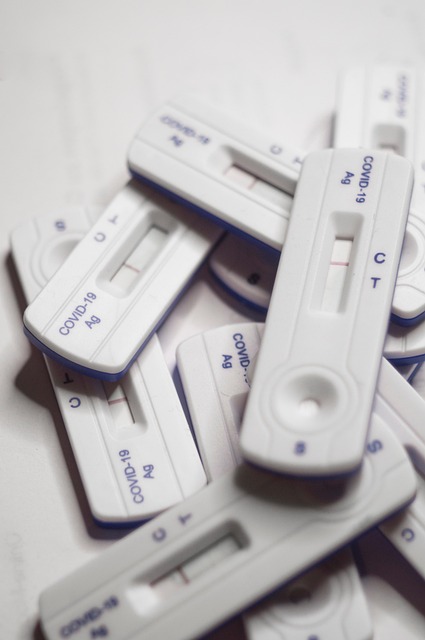
Interpreting the results from a home testosterone test kit is a crucial step towards optimal health. These kits, designed for at-home use, offer a convenient way to assess your hormone levels. When analyzing the data, remember that context matters. For instance, a home testosterone test in Bristol might yield different readings compared to a clinical setting due to variations in testing methods and potential stress factors. Ideally, these tests should be performed under controlled conditions to ensure accuracy.
If your results suggest lower-than-average testosterone levels, the next step is to consider your overall health profile. For example, a full blood count (FBC) test in Portsmouth can provide insights into red blood cell counts and other markers of general health. A comprehensive FBC may reveal underlying conditions that could impact hormone production. Similarly, a cholesterol blood test in Bristol can offer additional clues, as hormonal imbalances sometimes correlate with lipid profile abnormalities.
For females, hormone levels like estradiol and progesterone should also be assessed alongside testosterone. Imbalances in these hormones can lead to various health concerns, including reproductive issues and metabolic disorders. If significant discrepancies are found, consulting a healthcare professional is essential. They can guide you on personalized next steps, which might include lifestyle modifications, dietary adjustments, or targeted supplements. Regular monitoring through subsequent home tests can help track progress and adjust interventions accordingly.
By understanding testosterone’s crucial role and utilizing home testosterone test kits naturally, individuals can take charge of their health. These at-home tests offer a convenient and accessible way to monitor hormone levels without the need for invasive procedures. With a focus on top-rated, natural options, readers now possess valuable insights into interpreting results accurately. Armed with this knowledge, they can identify potential imbalances and take proactive steps towards optimal health. This comprehensive guide empowers folks to make informed decisions, ensuring they are not only aware of their testosterone levels but also equipped with the next steps for healthier living.