
Understanding testosterone levels is crucial for evaluating supplement suitability. Home testosterone test kits provide accessible initial assessments, but results require careful interpretation alongside other health tests. Normal ranges vary globally (270-1070 ng/dL or 100-300 nmol/L), and personalized dosages consider age, diet, and health. Expert consultations are vital for safe, effective supplementation tailored to individual needs.
In today’s fast-paced world, maintaining optimal health can be a challenge. Testosterone, often referred to as the ‘male hormone’, plays a pivotal role in energy levels, muscle mass, and overall well-being. However, lifestyle factors and age can lead to decreased testosterone production, causing various health issues. Recognizing this growing concern, individuals are increasingly turning to testosterone supplements as a potential solution.
The challenge lies in determining the appropriate dosage, especially when relying on home testosterone test kits for guidance. This article aims to demystify the process, providing an authoritative guide on how to find the right balance, ensuring both safety and effectiveness through a comprehensive exploration of at-home testing methods.
- Understanding Testosterone: Levels & Normal Range
- Home Testosterone Test Kit: Choosing the Right One
- Interpreting Results: What Does Your Level Mean?
- Safe & Effective Dosage: Personalized Guidance
Understanding Testosterone: Levels & Normal Range

Understanding testosterone levels is a crucial step in determining if testosterone supplements are right for you. Testosterone is a hormone responsible for various bodily functions, including muscle development, bone density maintenance, and sex drive regulation. It plays a significant role in overall health and well-being, especially as we age. Knowing your testosterone range is essential before considering supplements, as it provides a baseline for comparison and ensures you’re taking an appropriate dosage.
The normal testosterone range for men varies based on age. According to healthcare professionals, a typical total testosterone level for adult males falls between 270-1070 nanograms per deciliter (ng/dL) or 9.4-38.6 nanomoles per liter (nmol/L). However, these values can differ slightly among labs and regions. For instance, a recent study comparing testosterone levels worldwide found that the average total testosterone concentration in adult men ranged from 275 to 1030 ng/dL across different countries, with notable variations between populations.
Home testosterone test kits offer a convenient way to get an initial assessment of your hormone levels without visiting a clinic. These kits typically measure total testosterone in blood or saliva samples. While they provide valuable insights, it’s crucial to interpret the results in context. For example, consider consulting with a healthcare provider who can suggest a vitamin D blood test Cambridge or a kidney function test (including a creatinine blood test) Sheffield to rule out any underlying health issues that might affect testosterone readings. Data from such tests combined with your home testosterone test kit results will enable you to make informed decisions about whether and how to supplement with testosterone, ensuring a safe and effective approach.
Home Testosterone Test Kit: Choosing the Right One

When considering testosterone supplements, choosing the right dosage starts with a comprehensive understanding of your body’s needs. A crucial step in this process is utilizing a home testosterone test kit, which allows for personalized insights into your hormone levels. These kits offer a convenient and non-invasive way to gauge your testosterone status, especially when compared to traditional blood tests. For instance, a food intolerance test Sheffield can provide valuable information on potential dietary influences affecting hormone production.
Selecting the appropriate home testosterone test kit involves considering factors such as accuracy, ease of use, and reliability. Reputable kits should offer results that align with clinical standards, ensuring valid and actionable data. It’s important to choose a kit designed for home testing, as these are generally more user-friendly and come with clear instructions. For instance, some kits may require only a saliva sample, while others might need a small blood draw, similar to a thyroid blood test Cambridge|testosterone blood test Cambridge|food intolerance test Cambridge|full blood count Cambridge|male hormone blood test Cambridge|female hormone blood test Cambridge|liver blood test Cambridge|kidney blood test Cambridge|diabetes blood test Cambridge|vitamin D blood test Cambridge|cholesterol blood test Cambridge|female fertility blood test Cambridge|menopause blood test Cambridge|vitamin B12 blood test Cambridge|dairy intolerance test Cambridge performed in clinical settings.
Furthermore, understanding the context of your results is vital. Factors like age, lifestyle, and overall health can influence testosterone levels. A food intolerance test Derby, for example, could reveal dietary sensitivities that indirectly impact hormone regulation. By combining the insights from such tests with those from home testosterone testing, individuals gain a holistic view of their hormonal health. This knowledge empowers them to make informed decisions about potential supplements or lifestyle adjustments to achieve optimal testosterone balance naturally.
Interpreting Results: What Does Your Level Mean?
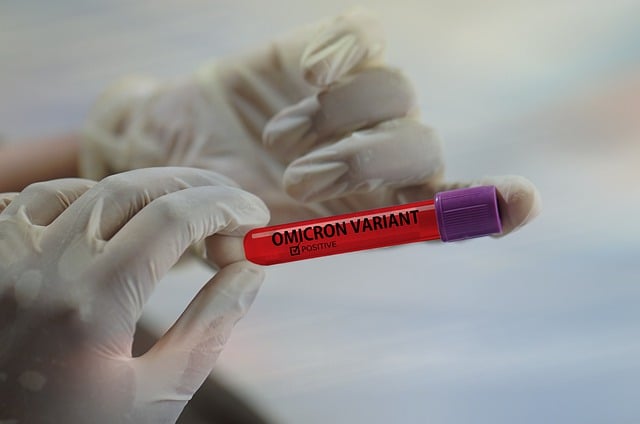
Understanding your home testosterone test kit results is a crucial step in determining if hormone replacement therapy (HRT) is suitable for you. Testosterone is the primary male sex hormone, responsible for various physical traits and functions, including muscle mass, bone density, and libido. When considering HRT, knowing your baseline levels through a reliable male hormone blood test Newcastle is essential.
Your home testosterone test kit provides a convenient way to gauge your current hormone levels. Typically, results are measured in nanomoles per liter (nmol/L). According to medical professionals, typical healthy testosterone levels for men range from 100-300 nmol/L. For instance, if your result falls within this range, it indicates that your testosterone levels are within the normal spectrum. However, levels consistently below 300 nmol/L may suggest hypogonadism, a condition characterized by low testosterone production, which could lead to fatigue, muscle loss, and decreased libido—prompting further medical evaluation, including a female hormone blood test Leeds for comparative analysis.
It’s important to remember that individual responses to HRT vary greatly. Some men with lower-than-average testosterone levels may experience significant benefits from supplementation, while others might not show substantial improvements even with therapy. For instance, a thyroid blood test Bristol can also offer valuable insights as thyroid disorders often disrupt hormone balance. Data suggests that personalized treatment approaches, considering both testosterone and thyroid function, can lead to more effective outcomes for men seeking HRT. When interpreting results, consult healthcare professionals who can guide you in understanding the implications and deciding on appropriate next steps for your health journey.
Safe & Effective Dosage: Personalized Guidance

Finding the right dosage of testosterone supplements is a critical step for anyone considering home testosterone test kits as a means to support their health and well-being. While these at-home tests offer convenience and privacy, they don’t replace professional medical guidance. The key to safe and effective supplementation lies in personalized dosing, tailored to individual needs and circumstances.
Start by understanding that everyone’s body is unique. Factors like age, weight, fitness level, and existing health conditions influence hormone balance. For example, a female fertility blood test in Birmingham might reveal insights into ovarian function that impact testosterone requirements, while a thyroid blood test in Milton Keynes could highlight thyroid dysfunction requiring consideration when interpreting results. Similarly, food intolerance tests in Southampton can uncover dietary sensitivities that may affect hormone production. These personalized data points are crucial for determining an optimal dosage.
Seeking expert advice is essential. Many healthcare professionals now offer remote consultations, making it easier than ever to get personalized guidance without leaving home. During these consultations, discuss your test results, any relevant medical history, and your specific goals. This collaborative approach ensures you receive a customized plan that balances safety, efficacy, and individual needs—a far cry from one-size-fits-all solutions. Remember, responsible supplementation starts with knowledgeable, personalized direction.
By understanding your testosterone levels through a reliable home testosterone test kit naturally, you gain valuable insights into your overall health and well-being. This article has equipped you with the knowledge to interpret results accurately and determine safe, personalized dosages for potential supplements. Armed with this information, you can make informed decisions about your healthcare, ensuring optimal hormone balance without unnecessary risks. The key takeaways? Always choose a trusted test kit, interpret results in context, and consult professionals for tailored guidance.