
Home testosterone test kits offer convenient at-home assessments, but have limited accuracy. Professional panels provide detailed insights through comprehensive testing. Accurate interpretation requires expert advice, considering age, gender, and health history. Maintaining optimal hormone levels through lifestyle changes and supplements is key to overall well-being. Integrating home testing with professional guidance enables informed decisions for natural hormone optimization.
Testosterone levels play a pivotal role in overall health and well-being for both men and women. As we age, maintaining optimal testosterone levels becomes increasingly crucial to preserve energy, muscle mass, libido, and cognitive function. However, many individuals face challenges in managing their testosterone, often due to busy lifestyles or concerns about privacy. The current healthcare landscape may not always accommodate personalized testing options, leaving many to seek alternative solutions. This article explores over-the-counter home testosterone test kits as a convenient, accessible solution for comprehensive testosterone panel analysis, empowering individuals to take charge of their hormonal health naturally.
- Understanding Testosterone: Basics and Importance
- Over-the-Counter Test Kits: Types and Accuracy
- Home Test Kit Preparation: What to Expect
- Interpreting Results: Normal Ranges & Abnormalities
- Lifestyle Adjustments for Optimal Testosterone Levels
Understanding Testosterone: Basics and Importance

Testosterone is a hormone that plays a pivotal role in various bodily functions, particularly in men. It influences muscle mass, bone density, fat distribution, and sex drive, among other things. Understanding this hormone and its significance is crucial when considering over-the-counter options for comprehensive testosterone panels. Home testosterone test kits offer a convenient way to assess your levels naturally without the need for a clinical setting.
While these at-home tests provide valuable insights, it’s important to recognize their limitations. For instance, while a home testosterone test kit can measure total testosterone, it might not differentiate between free and bound forms, which is essential for interpreting results accurately. This is where professional testing comes into play; a comprehensive panel, such as those offered in cities like Milton Keynes, Leicester, and Liverpool, includes additional tests like a cholesterol blood check and thyroid blood test. These can provide a more detailed picture of overall health and hormone balance.
In Liverpool, for instance, a female hormone blood test can help assess estrogen and progesterone levels, offering insights into reproductive health. Similarly, in Milton Keynes or Leicester, specialized panels might include tests for DHEA-S and SHBG, which are crucial markers for evaluating adrenal function and testosterone binding capacity respectively. By combining these various tests, healthcare professionals can offer tailored advice and treatment plans, ensuring optimal hormone levels and overall well-being.
Over-the-Counter Test Kits: Types and Accuracy

Over-the-counter (OTC) home testosterone test kits have gained popularity as a means of empowering individuals to take an active role in their health. These at-home tests offer a convenient and often less intimidating approach to assessing hormone levels compared to traditional medical laboratory visits. The market is saturated with various types of OTC kits, each claiming different levels of accuracy and convenience. When considering a home testosterone test kit, it’s crucial to understand the options available and their limitations, especially in terms of accuracy.
One common type uses finger prick samples, providing quick results in the comfort of your home. These kits often measure total testosterone levels, offering a basic snapshot of hormone health. While accessible and relatively affordable, their accuracy can vary widely depending on factors like kit quality, sample handling, and individual physiological variations. For instance, a study comparing at-home finger prick tests to clinical laboratory results found that while many kits showed promise, some displayed significant discrepancies, particularly in female subjects with naturally lower testosterone levels.
Another category includes more comprehensive home testing panels that go beyond testosterone. These might include tests for vitamin B12 levels in Leicester or cholesterol checks, offering a broader health assessment. For example, a multi-panel test kit could simultaneously measure testosterone, estrogen, cortisol, and even essential vitamins like B12. Such kits provide valuable insights into hormonal balance but require careful interpretation. It’s important to remember that while these tests offer convenience, they don’t replace the accuracy and depth of a comprehensive hormone panel ordered by a healthcare professional, especially when interpreting results for conditions like perimenopause or hypogonadism.
For those seeking more precise assessments, considering a visit to a specialized clinic for a female hormone blood test in Oxford or a cholesterol blood test in Leicester can provide invaluable data. Professional medical testing ensures standardized protocols and state-of-the-art equipment, resulting in highly accurate results. While at-home kits have their merits, they should be viewed as educational tools rather than definitive diagnostic measures. Combining at-home testing with expert clinical advice allows individuals to make informed decisions about their health, especially when pursuing natural ways to optimize hormone levels.
Home Test Kit Preparation: What to Expect
When considering a home testosterone test kit, it’s crucial to understand what to expect from the preparation process. Unlike specialized blood tests like the female fertility blood test Oxford or cholesterol blood test Coventry, which require professional medical settings and expertise, home testosterone test kits offer an accessible, private way to monitor your hormone levels. However, proper preparation is key to ensuring accurate results.
The first step in home testosterone test kit preparation involves understanding what the kit includes and how it works. Most kits come with clear instructions, collection vials, and a testing device. You’ll typically need to provide a blood sample, which is then analyzed for testosterone levels. It’s essential to follow the kit’s guidelines meticulously, including ensuring proper handling of the sample to maintain integrity. For instance, some kits may require chilling or storing the sample at specific temperatures until testing.
Another critical aspect is understanding the limitations and potential influences on your results. Factors like stress, diet, exercise, and even time of day can impact testosterone levels. Therefore, it’s advisable to adhere to a consistent routine before taking the test. For example, avoid strenuous exercise or significant changes in diet within 24-48 hours of testing. Similarly, ensure you’re well-rested and at a relatively stable weight for the most accurate vitamin B12 blood test Derby results, as stress and malnourishment can skew these readings just as they do testosterone levels.
Data shows that consistent use of home testosterone test kits can provide valuable insights into your hormonal health. By integrating regular testing into your routine, you can track trends over time and make informed decisions regarding your well-being. Remember, while these kits offer a convenient way to monitor testosterone, they should complement, not replace, professional medical advice. Consult with a healthcare provider for personalized interpretation of results and tailored recommendations, especially if you reside in areas like Derby where specialized blood tests are readily available.
Interpreting Results: Normal Ranges & Abnormalities
Interpreting results from an over-the-counter home testosterone test kit is a crucial step to understanding your hormone levels. What’s considered normal can vary based on age, gender, and overall health. For instance, a typical reference range for total testosterone in adult men is approximately 300–1000 ng/dL (nanograms per deciliter), while pre-pubescent boys may have levels closer to 250 ng/dL. Women generally have much lower levels; a healthy range for total testosterone in adult women can be around 100–700 ng/dL.
Abnormalities in testosterone levels can indicate underlying health issues and should not be ignored. Low testosterone (hypogonadism) in men or women may result from various factors, including thyroid disorders, chronic illnesses, certain medications, or age-related changes. For example, a kidney blood test in Oxford might reveal renal impairment affecting hormone production. Similarly, a female fertility blood test in Bristol could indicate hormonal imbalances disrupting natural reproductive functions. Conversely, elevated testosterone levels might point to conditions like polycystic ovary syndrome (PCOS) in women or benign tumors affecting androgen production.
Upon receiving your results, it’s essential to consult with a healthcare professional who can provide expert interpretation. They can consider your medical history, symptoms, and other relevant blood test results from cities like Sheffield, where specialized female hormone blood tests are available. This comprehensive approach ensures accurate diagnosis and tailored treatment options for managing hormonal imbalances, whether through lifestyle changes, medication, or targeted therapies. Always remember, self-assessment is a starting point, but professional guidance is vital for accurate interpretation and effective management of testosterone levels.
Lifestyle Adjustments for Optimal Testosterone Levels
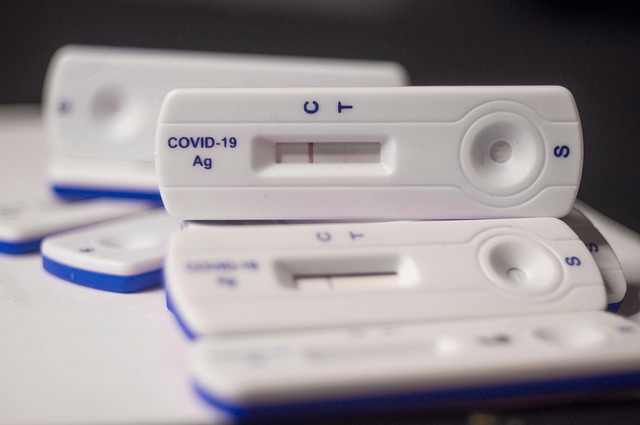
Maintaining optimal testosterone levels is crucial for overall health and well-being, particularly for men seeking to enhance their vitality and performance. While prescription medications are available for managing low testosterone, many individuals prefer over-the-counter (OTC) solutions and lifestyle adjustments to boost these naturally occurring hormones. One accessible method is utilizing home testosterone test kits, which empower individuals to take an active role in monitoring their health. These at-home tests provide valuable insights into hormone levels without the need for a clinical setting. For instance, a study published in The Journal of Clinical Endocrinology & Metabolism highlighted the growing popularity of self-administered hormone assessments, emphasizing their convenience and potential benefits for personalized healthcare.
Lifestyle modifications play a pivotal role in regulating testosterone. Engaging in regular physical activity, particularly strength training and high-intensity interval workouts, has been shown to stimulate testosterone production. Adequate sleep is another critical factor; research suggests that prioritizing sleep hygiene can significantly impact hormone levels. Additionally, dietary choices matter; incorporating zinc-rich foods like oysters and pumpkin seeds, as well as vitamin D-rich options such as fatty fish and egg yolks, may support healthy testosterone profiles. Conversely, excessive stress and poor dietary habits can negatively affect hormone balance. For instance, a full blood count (FBC) test in Liverpool might reveal anomalies indicative of nutritional deficiencies or inflammatory conditions that impact hormone regulation.
Complementing these lifestyle changes with targeted supplements, such as ashwagandha and tribulus terrestris, has shown promise in some studies. However, it’s essential to approach dietary supplements with caution and consult healthcare professionals for personalized recommendations. Furthermore, considering comprehensive blood panels, including a kidney blood test in Cambridge, can provide a holistic view of one’s health and identify underlying issues that may contribute to low testosterone. By combining these strategies, individuals can navigate their hormonal health journey effectively, making informed decisions to optimize testosterone levels naturally.
By exploring over-the-counter home testosterone test kits, individuals gain a powerful tool for understanding their hormonal health. The article has illuminated key aspects, from the fundamental role of testosterone to the intricacies of kit preparation and interpretation. Key takeaways include the importance of normal testosterone ranges for overall well-being, the accuracy variations among test kits, and the significant impact lifestyle adjustments can have on maintaining optimal levels. Armed with this knowledge, readers are empowered to take charge of their health by utilizing home testosterone test kits naturally as a first step towards informed decision-making and potential lifestyle modifications.