
Home testosterone test kits provide convenient monitoring of hormone levels, with types including saliva and blood tests. Interpretation requires medical context, considering age, fitness, and health. Combining kit results with other specialized tests offers holistic insights. Choosing a kit involves tailored considerations based on individual needs. Interpreting results focuses on overall health context and significant hormonal balance benchmarks. Maintaining optimal levels through natural approaches and proactive health decisions is possible with these kits.
In today’s fast-paced world, men increasingly turn to home testosterone test kits for personalized health insights. Testosterone, the primary male hormone, plays a pivotal role in overall well-being, influencing muscle mass, bone density, energy levels, and libido. However, as lifestyles become more sedentary and stress levels rise, natural testosterone production can wane. This has led to a growing interest in at-home testing solutions, offering convenience and privacy. Our comprehensive review aims to guide you through the diverse landscape of home testosterone test kits, empowering informed decisions for those seeking to optimize their hormone health naturally.
- Understanding Testosterone: The Hormone and Its Role
- Home Testosterone Test Kits: What to Expect
- Choosing the Right Kit: Factors and Considerations
- Accurate Results: How to Interpret Your Findings
- Natural Health: Boosting Testosterone Levels at Home
Understanding Testosterone: The Hormone and Its Role

Testosterone is a key hormone that plays a pivotal role in various bodily functions, particularly in men, where it is responsible for characteristic male sexual traits. It influences muscle mass, bone density, fat distribution, and overall energy levels. Understanding this hormone is crucial when considering home testosterone test kits as a means to assess one’s health and well-being. These at-home tests allow individuals to take an active role in monitoring their hormone levels, which can be especially beneficial for those concerned about low testosterone or its associated symptoms.
The home testosterone test kit has gained popularity as a convenient way to gain insights into hormonal health. These kits typically involve a simple blood draw, often using a small finger prick, to measure testosterone levels. This approach democratizes access to hormone testing, enabling individuals to bypass traditional medical settings for initial assessments. For instance, a study published in The Journal of Clinical Endocrinology & Metabolism found that home testing can be accurate and reliable for monitoring testosterone, providing valid data for both clinical and personal use. However, it’s essential to interpret results in context; factors like age, fitness level, and overall health can influence testosterone levels naturally.
When considering such tests, a comprehensive understanding of hormonal balance is beneficial. For example, a full blood count (FBC) Bristol or female fertility blood test Coventry can provide additional insights into reproductive health and hormone regulation. These tests often reveal markers of overall health and can guide further investigations if needed. Furthermore, individuals with suspected dairy intolerance in Birmingham might find it relevant to explore the impact of diet on testosterone. Research suggests that certain dietary patterns can influence hormone levels, highlighting the intricate relationship between nutrition and hormonal balance. Thus, a holistic approach to testing and interpretation is ideal for gaining meaningful insights into one’s health through home testosterone test kits or other specialized tests.
Home Testosterone Test Kits: What to Expect

Home testosterone test kits are gaining popularity as a convenient way for individuals to monitor their hormone levels. These at-home tests offer a non-invasive alternative to traditional medical assessments, allowing users to gain insights into their reproductive health and overall well-being. The market is saturated with various options, each boasting different features and accuracy levels. This section provides an in-depth look at what to expect from these kits, focusing on key aspects that influence their effectiveness and usability.
The primary consideration when opting for a home testosterone test kit is the type of test it offers. Most kits fall into two categories: saliva or blood tests. Saliva tests are typically quick and easy to perform, requiring users to collect a sample via mouth swabs. These kits measure free testosterone levels in the saliva, which can provide an indication of hormone availability for binding to receptors. On the other hand, blood tests involve pricking your finger to draw a small sample, which is then analyzed for total testosterone levels. While slightly more invasive, blood tests are often considered more accurate and reliable, especially when comparing results to established medical standards. For instance, a study published in the Journal of Clinical Endocrinology & Metabolism found that at-home blood tests for testosterone had a high correlation with laboratory results, demonstrating their validity.
When choosing a home testosterone test kit, it’s crucial to consider factors like sensitivity, precision, and the range of hormone levels measured. Sensitivity refers to the kit’s ability to detect low hormone levels accurately, which is particularly important for males who may have slightly higher baseline testosterone. Precision ensures consistent and reliable results over multiple tests. Additionally, some kits offer a broader spectrum of hormone measurements, including not just testosterone but also estrogen and progesterone, providing a more comprehensive hormonal profile. For instance, comparing popular brands like the Home Hormone Test Kit (available in Leicester) and the Advanced Male Health Panel (offered in Oxford), users can opt for a kit that aligns with their specific needs and medical history.
Furthermore, understanding the limitations of these tests is essential. Home testosterone test kits are designed for self-assessment and general health monitoring but should not replace professional medical advice. Results should be interpreted in the context of individual symptoms and overall health. For example, a female hormone blood test (available in Coventry) might reveal elevated estrogen levels, prompting further investigation rather than relying solely on the kit’s interpretation. Consulting with a healthcare provider after receiving test results is advisable to ensure proper follow-up and personalized guidance.
Choosing the Right Kit: Factors and Considerations
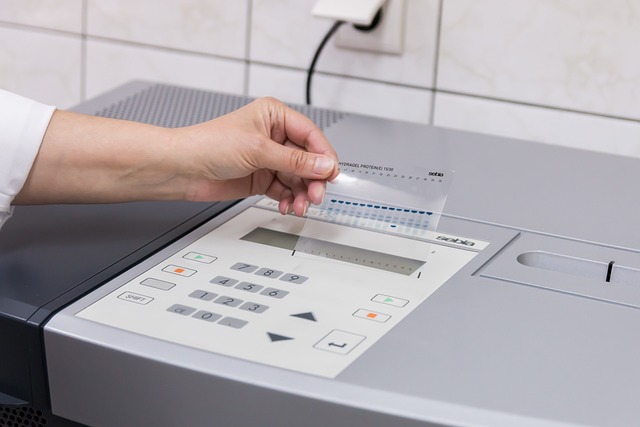
Choosing the right home testosterone test kit requires careful consideration to ensure accurate results. One crucial factor is understanding your specific needs; for instance, a male hormone blood test in Leicester might be indicated for men experiencing symptoms of low testosterone, while a food intolerance test in Southampton could help identify dietary triggers affecting hormone levels. These specialized tests offer valuable insights into overall health and well-being.
When evaluating home testosterone test kits, consider the following: sensitivity and accuracy, sample type (blood or saliva), ease of use, and regulatory compliance. For instance, many reputable kits now incorporate vitamin B12 blood tests in Newcastle, as deficiencies can impact hormone production. Ensure the kit you choose aligns with your healthcare goals and is approved by relevant regulatory bodies for reliable results.
Additionally, check for user reviews and feedback to gauge satisfaction levels. Real-life experiences can provide insights into kit performance, convenience, and potential drawbacks. Remember, a home test is just one piece of the puzzle; interpretation of results and any necessary follow-up actions should be guided by professional medical advice.
Accurate Results: How to Interpret Your Findings

When interpreting the results from a home testosterone test kit, it’s crucial to understand what each value signifies and how it fits into your overall health picture. Accurate results are paramount, as they can provide valuable insights into your hormonal balance. For instance, a testosterone level below 300 ng/dL (nanograms per deciliter) in men may indicate hypogonadism, requiring further medical evaluation.
In the context of home testing, comparing your results to established reference ranges is essential. These ranges vary slightly between labs but generally provide a benchmark for normal hormone levels. For example, a study published in The Journal of Clinical Endocrinology & Metabolism found that home testosterone test kits can offer reliable and consistent results when validated against traditional clinical methods, making them a viable option for self-assessment.
Consider regional variations as well. A menopause blood test in Milton Keynes or a food intolerance test in Oxford might yield different reference ranges due to population-specific factors. Similarly, testosterone levels can be influenced by age, with typical declines occurring as men advance through their 40s and 50s. In Sheffield, for instance, a local healthcare provider might offer guidance tailored to the average male population’s hormonal trends.
Actionable advice includes maintaining a healthy lifestyle to support optimal hormone levels. Regular exercise, a balanced diet rich in zinc and vitamin D, and adequate sleep can all positively impact testosterone. However, if your home test reveals concerning results, consult with a healthcare professional for personalized guidance. They can interpret your findings, consider other relevant tests like the Sheffield testosterone blood test, and recommend appropriate interventions to address any imbalances.
Natural Health: Boosting Testosterone Levels at Home

Maintaining optimal testosterone levels is crucial for overall health and vitality, particularly as we age. While traditional methods often involve medical interventions or complex laboratory tests, there’s a growing trend towards natural health approaches, including at-home testosterone test kits. These innovative tools allow individuals to take an active role in monitoring their hormonal balance conveniently from the comfort of their homes.
One such kit gaining popularity is the home testosterone test kit naturally focused on supporting healthy testosterone levels. This approach differs from standard testing methods by emphasizing natural remedies and dietary adjustments rather than relying solely on prescription medications. For instance, some kits provide detailed guidelines on nutrition, suggesting food intolerance tests in Manchester to identify potential allergens that might disrupt hormonal balance. By eliminating these irritants, individuals can create a healthier gut environment, which is linked to improved hormone production. Similarly, promoting liver health through regular blood tests in Derby, as recommended by experts, is crucial for optimal testosterone synthesis. The liver plays a pivotal role in converting cholesterol into testosterone, making its functionality a key consideration in natural hormonal support.
Moreover, managing chronic conditions like diabetes through blood tests in Milton Keynes can significantly impact testosterone levels. High blood sugar can interfere with hormone production, emphasizing the importance of regular check-ups and dietary management. Home test kits equipped with advanced technology allow individuals to track these markers easily, enabling proactive health decisions. With consistent data collection, users can identify trends and make informed changes to their lifestyle, including adjustments to diet and exercise routines, both of which are essential for boosting testosterone naturally. This shift towards natural health solutions empowers individuals to take charge of their well-being, fostering a sense of agency in managing hormonal balance.
After exploring the realm of home testosterone test kits, it’s clear these tools offer a convenient and accessible way to gain insights into your hormone levels. By understanding key factors like accuracy and reliability when choosing a kit, you can make informed decisions. Interpreting results correctly is paramount, as it can guide natural health strategies for boosting testosterone levels at home. This article has provided essential knowledge on navigating the world of self-check kits, empowering individuals to take charge of their health. With practical considerations in hand, readers are now equipped to select and utilize these kits effectively, potentially revolutionizing their approach to hormone management naturally via a home testosterone test kit.