
Home testosterone test kits provide convenient, private access to hormone level monitoring. They offer insights for tracking changes over time or assessing overall hormonal health. Key considerations include sensitivity, precision, ease of use, and reliability. Accurate results require proper specimen handling and adherence to manufacturer guidelines. Combining home testing with professional lab assessments enables comprehensive, proactive healthcare management for optimal testosterone regulation.
In the realm of personal health monitoring, understanding hormone levels is paramount, particularly for men seeking insights into their testosterone health. The choice between lab and home testosterone tests has become increasingly relevant as over-the-counter home testosterone test kits have gained popularity. This article provides an authoritative guide to demystifying this comparison. We explore the advantages and considerations of each method, offering a comprehensive overview to help individuals make informed decisions regarding their testosterone testing. With a focus on accuracy, convenience, and cost, we empower readers with knowledge, enabling them to select the most suitable home testosterone test kit naturally without compromising quality or reliability.
- Understanding Testosterone Testing: Basics Explained
- Lab vs. Home: Features and Advantages Compared
- Home Test Kit Selection: Criteria for Quality Kits
- Accurate Results: Techniques to Maximize Reliability
- Interpretations and Next Steps: Using Test Data Effectively
Understanding Testosterone Testing: Basics Explained

Understanding Testosterone Testing: Basics Explained
Testosterone testing is a crucial aspect of men’s health, offering valuable insights into hormone levels that can impact overall well-being. Whether you’re considering a home testosterone test kit or visiting a clinic for a more traditional approach, such as a vitamin D blood test Liverpool or liver function test Manchester, knowing the basics is essential. Home testosterone test kits have gained popularity due to their convenience and accessibility, allowing individuals to monitor their hormone levels in the privacy of their homes. These at-home tests typically involve collecting a small sample, often through a finger prick, which is then analyzed for testosterone concentration. This method is particularly appealing for those interested in tracking potential changes over time or seeking insights into their overall hormonal health.
The traditional approach involves visiting a healthcare professional who may order a panel of blood tests, including vitamin B12 levels in Sheffield, to assess various hormone markers, not just testosterone. Such comprehensive testing can provide a more nuanced understanding of an individual’s hormonal balance and potential areas of concern. For athletes or individuals with specific health conditions, these detailed assessments are invaluable. Vitamin D, for instance, plays a significant role in maintaining healthy testosterone levels, and a blood test can reveal deficiencies that might impact overall hormone regulation.
Understanding the basics of testosterone testing empowers individuals to make informed decisions about their health. It encourages proactive measures to manage hormonal changes, especially as we age. By familiarizing ourselves with the options available—from home test kits to specialized clinic services—we can ensure timely and accurate assessments, leading to better overall well-being.
Lab vs. Home: Features and Advantages Compared
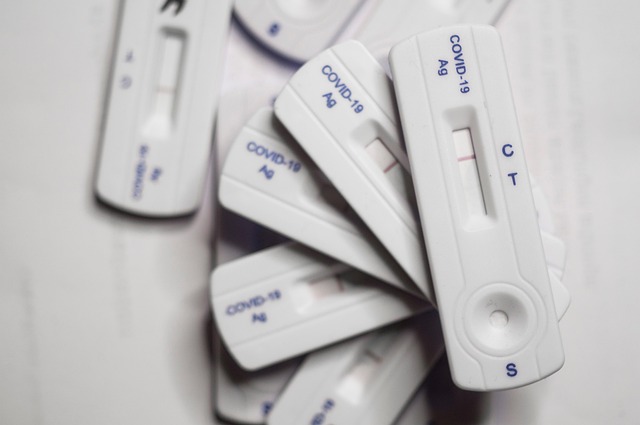
When comparing lab tests with home testosterone test kits, understanding the features and advantages of each is crucial for accurate assessment. Lab tests, often involving male hormone blood tests in Bristol, offer a high degree of precision and are validated by medical professionals. They provide comprehensive data, including full hormone panel analysis, allowing for a thorough evaluation of overall health. Additionally, labs adhere to strict quality control measures, ensuring reliable results. However, they may be less accessible and more expensive, requiring time off work and potentially causing anxiety due to the clinical setting.
On the other hand, home testosterone test kits offer convenience and privacy. These kits, designed for easy use at home, provide a quick way to gauge hormone levels. For instance, a home dairy intolerance test in Manchester or a vitamin B12 blood test in Southampton can be ordered online and performed with minimal training. Results are typically available within days, and the cost is often lower than lab tests. However, they may lack the depth of information provided by labs and could offer limited interpretative guidance.
For individuals seeking a balance between accuracy and convenience, combining lab tests for critical health assessments with home testosterone test kits for regular monitoring can be an effective strategy. For example, annual male hormone blood tests in Bristol through a clinic, coupled with monthly home testing, allow for continuous tracking of hormone levels without compromising accessibility or affordability. This approach leverages the strengths of both methods, ensuring comprehensive and timely health management.
Home Test Kit Selection: Criteria for Quality Kits
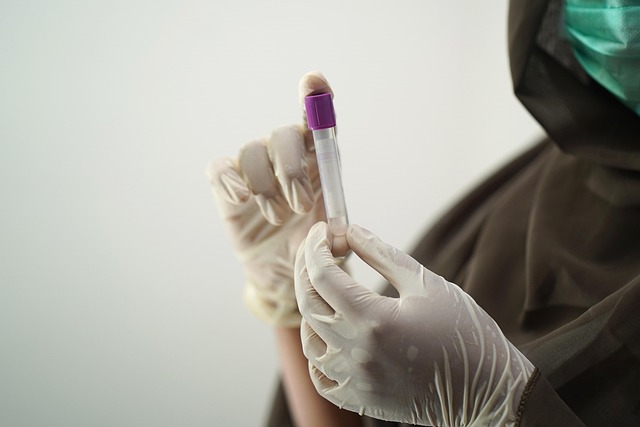
When considering a home testosterone test kit, selecting a quality product is paramount for accurate results and peace of mind. Key factors to assess include sensitivity, precision, ease of use, and reliability. Reputable kits should aim for high sensitivity levels, capable of detecting even minute variations in hormone levels, ensuring that results accurately reflect natural fluctuations. Precision is equally vital; a reliable kit must provide consistent outcomes batch after batch, enabling valid comparisons over time.
User-friendliness is another critical aspect. Top-tier home testosterone test kits should be designed with the end-user in mind, offering clear instructions and intuitive procedures. For instance, some kits utilize simple urine samples, while others may require blood draws, each with its own advantages and considerations. Additionally, kits that offer immediate results or provide digital readouts enhance accessibility, allowing individuals to promptly interpret their data.
Beyond accuracy, it’s essential to scrutinize the kit’s overall performance in various populations. For example, a study comparing at-home tests against clinical settings found that certain brands excelled in detecting elevated testosterone levels in both male and female patients, including those undergoing treatments for conditions like polycystic ovary syndrome (PCOS) or menopause (as observed in a female fertility blood test Cambridge). Similarly, home dairy intolerance tests Sheffield have demonstrated effectiveness in identifying lactose intolerance, showcasing the versatility of these at-home solutions. However, it’s crucial to choose kits tailored to your specific needs and consult healthcare professionals for personalized guidance.
Accurate Results: Techniques to Maximize Reliability
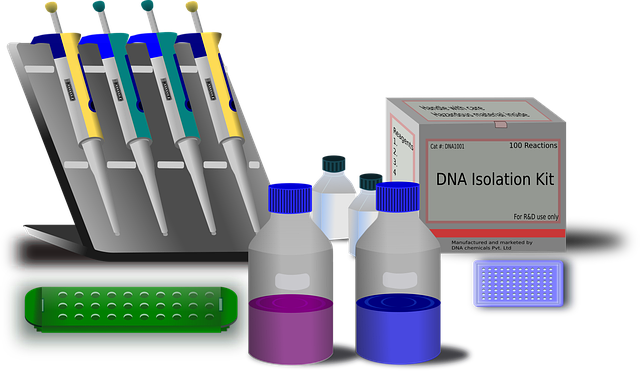
When comparing lab vs. home testosterone tests, accurate results are paramount to ensuring reliable health assessments. Home testosterone test kits have gained popularity due to their convenience and accessibility. However, factors can influence their reliability. For instance, proper specimen handling and adherence to instructions are crucial; a slight deviation may impact results. Additionally, environmental conditions like temperature fluctuations during shipping or storage can affect the integrity of the sample.
To maximize reliability with a home testosterone test kit, consider these strategies: ensure proper refrigeration during testing, handle the sample immediately upon collection, and follow manufacturer guidelines strictly. For example, some kits require specific collection times and methods to capture an accurate profile.
In contrast, lab tests offer stringent control measures. Professional laboratories maintain consistent environments, employ advanced equipment for precise measurements, and have standardized protocols in place. This ensures that results are reliable and comparable across different testing occasions. However, lab tests may involve longer turnaround times and can be more expensive than home kits. For instance, a vitamin B12 blood test Oxford or cholesterol blood test Bristol conducted at a clinic provides immediate access to detailed results compared to waiting for mail-in home kits.
For comprehensive health assessments, combining both approaches can be beneficial. A thyroid blood test Bristol in a controlled lab setting might accompany a home testosterone test kit to offer a more holistic view of hormonal balance. Regular monitoring with reliable home testing, coupled with periodic professional checks, allows for proactive healthcare management and informed decisions regarding vitamin B12 levels, cholesterol readings, or thyroid function.
Interpretations and Next Steps: Using Test Data Effectively

Interpretations and Next Steps: Using Test Data Effectively
Understanding your home testosterone test kit results is crucial for informed decision-making regarding your health. While these kits offer a convenient way to monitor testosterone levels at home, accurate interpretation requires a nuanced approach. For instance, a home testosterone test kit in Milton Keynes may indicate lower-than-expected readings, prompting further investigation. In such cases, consulting with healthcare professionals specialized in hormone imbalances can provide valuable context. They might suggest additional tests, like a menopause blood test in Leicester, to rule out underlying conditions affecting testosterone production.
Next steps should be guided by your personal health profile and the insights gained from the initial home test. If results indicate low testosterone (hypogonadism), further assessment is vital. This could involve comprehensive hormone panels, including liver blood tests in Milton Keynes, to evaluate overall hormonal balance. For instance, liver function markers can provide clues about the health of endocrine glands that produce testosterone. This holistic approach ensures a precise diagnosis and tailored treatment plan, whether lifestyle adjustments, targeted therapy, or combination approaches are recommended.
Moreover, regular retesting is essential for tracking progress and adjustment. Home testosterone test kits allow for continuous monitoring, enabling you to respond swiftly to changes in hormone levels. By combining at-home testing with professional guidance, individuals can take charge of their health, make informed choices, and cultivate a proactive lifestyle that supports optimal testosterone regulation. This proactive approach, backed by data and expert advice, paves the way for enhanced well-being during this significant life transition.
After exploring the intricacies of testosterone testing, comparing lab tests against their home-based counterparts, and delving into the selection criteria for reliable home testosterone test kits, it’s clear that both options offer unique advantages. Labs provide gold-standard accuracy and privacy, while home kits offer convenience, accessibility, and affordability. Accurate results necessitate understanding test techniques and interpreting data effectively to make informed decisions about one’s health. Key takeaways include prioritizing quality kits, recognizing potential variations, and consulting healthcare professionals for personalized guidance. Moving forward, utilizing a well-chosen home testosterone test kit can empower individuals to proactively monitor their hormone levels, fostering better overall health management.