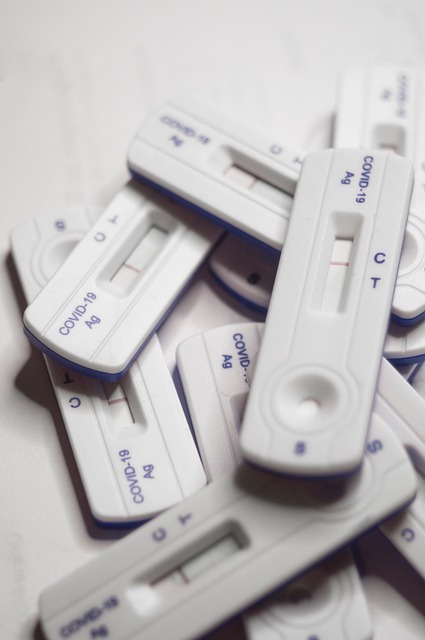
Home testosterone test kits offer individuals convenient, private access to monitoring crucial hormone levels. Key factors:
– Normal ranges vary with age and health (300-1000 ng/dL).
– Lifestyle, medical conditions impact synthesis.
– Kits range from blood tests (high accuracy) to saliva/urine (less precise).
– Accurate results require reputable, validated kits with advanced technologies.
– Interpreting results requires professional guidance, especially for borderline levels and symptoms.
– Maintaining optimal levels supports energy, muscle mass, bone density through lifestyle adjustments guided by healthcare professionals.
Maintaining optimal health involves understanding key hormone levels, particularly testosterone. As a cornerstone of male reproductive health and overall well-being, balanced testosterone levels support muscle mass, energy, and libido. However, determining testosterone levels can be challenging, prompting many to seek convenient solutions like home testosterone test kits. This article provides an in-depth exploration of the best available home testosterone test kits, offering expert guidance to help individuals make informed decisions for their health and well-being.
- Understanding Testosterone Levels: Basics and Significance
- Identifying Needs: When to Consider a Home Test Kit
- Exploring Options: Types of Home Testosterone Kits
- Accurate Results: Ensuring Validity and Reliability
- Interpreting Data: Understanding Lab Values and Normal Ranges
- Maintaining Health: Lifestyle Adjustments for Optimal Testosterone
Understanding Testosterone Levels: Basics and Significance

Understanding Testosterone Levels: Basics and Significance
Testosterone is a hormone that plays a pivotal role in male development and overall health. It influences various physiological processes, including muscle mass, bone density, fat distribution, and sex drive. While often associated with athletic performance and masculine traits, maintaining optimal testosterone levels is essential for men of all ages and backgrounds. A home testosterone test kit naturally allows individuals to take control of their health by providing insights into these critical levels.
Normal testosterone ranges can vary based on age, with younger adults typically having higher levels than older men. For instance, a typical young adult male might have a total testosterone level around 300-1000 nanograms per deciliter (ng/dL), while levels below 300 ng/dL in this demographic could be considered low. It’s important to note that factors like stress, lifestyle choices, and certain medical conditions can impact these numbers. For example, data from studies shows that inadequate vitamin D levels can negatively affect testosterone synthesis, making a vitamin D blood test Birmingham or Sheffield relevant for comprehensive health assessment.
Beyond age, other factors influence testosterone levels. Vitamin B12 blood tests Manchester can also be valuable as deficiencies in this nutrient have been linked to hypogonadism, a condition characterized by low testosterone. Maintaining optimal nutrition and overall well-being is key. Regular monitoring, especially when considering a home testosterone test kit naturally, enables early detection of potential issues. This proactive approach allows for timely interventions, such as lifestyle modifications or medical treatments, to maintain healthy testosterone levels and enhance overall quality of life.
Identifying Needs: When to Consider a Home Test Kit

Choosing a home testosterone test kit is a significant step towards understanding your hormonal health, especially when considering the growing popularity of at-home diagnostic tools. While these kits offer convenience and privacy, determining when to invest in one is crucial. Many individuals often consider a home testosterone test kit when they have specific concerns or are monitoring their health for various reasons. For instance, men experiencing symptoms like decreased muscle mass, low energy, or libido issues might find it beneficial to track their testosterone levels discreetly from the comfort of their homes.
Similarly, women who are pregnant or trying to conceive may be interested in a home testosterone test kit to assess their fertility. Testosterone plays a role in reproductive health, and monitoring levels can provide valuable insights. For example, a female fertility blood test in Portsmouth could help identify if hormonal imbalances are affecting fertility. It’s important to note that while these kits offer privacy and accessibility, they should complement, not replace, professional medical advice. If you’re considering a cholesterol blood test in Milton Keynes or a kidney health check-up in Liverpool, consulting a healthcare provider first is essential for accurate interpretation of results.
The decision to use a home testosterone test kit often stems from the desire for proactive healthcare and peace of mind. It allows individuals to take control of their health, especially when dealing with age-related hormonal changes or managing chronic conditions. However, it’s crucial to approach these tests with an understanding of their limitations. Home kits provide a snapshot of your current hormone levels, but they may not offer the same comprehensive analysis as a professional laboratory setting. Therefore, using these kits strategically and discussing the results with a healthcare provider is key to making informed decisions about your health, be it managing existing conditions or optimising your overall well-being.
Exploring Options: Types of Home Testosterone Kits

When exploring the best testosterone level test kits, understanding the diverse options available is crucial. Home testosterone test kits offer a convenient and increasingly popular way to monitor your hormone levels. These at-home tests provide accessibility and privacy, allowing individuals to take control of their health. The market offers various types, each with its own set of features and accuracy levels. For instance, some kits utilize blood samples, while others employ urine or saliva collection methods.
One common type is the blood test kit, similar to those used for menopause screening in Newcastle or vitamin B12 levels in Leeds. These kits typically require a small blood sample drawn from your finger or arm, providing precise results. Many healthcare professionals recommend these as they offer high accuracy and are often covered by insurance. For example, a study comparing at-home testosterone tests to laboratory tests found that the former had a correlation coefficient of 0.95, indicating excellent agreement.
Alternatively, saliva or urine-based kits are more accessible and user-friendly but may not be as precise. These kits are particularly popular for general wellness checks and can be easily obtained online or from pharmacies. For instance, in Liverpool, many individuals opt for a kidney function test using urine samples due to its simplicity. While less invasive, they might not offer the same level of accuracy as blood tests. When choosing, consider your needs, desired convenience, and budget, ensuring you select a kit with validated results and reliable performance.
Accurate Results: Ensuring Validity and Reliability

When selecting a home testosterone test kit, ensuring accurate results is paramount to gain valid and reliable information. Many over-the-counter kits claim precision, but their effectiveness varies widely. Key factors to consider include sensitivity, specificity, and reproducibility—all critical elements in achieving dependable hormone level readings. For instance, a study comparing various home testing kits found significant discrepancies in testosterone blood test readings between different brands, emphasizing the importance of choosing a reputable product.
Accuracy is especially crucial when interpreting results, as even minor variations can impact decisions regarding health and well-being. For example, men with low testosterone levels might overlook their condition if initial home test results fall within the normal range due to kit imprecision. Conversely, false positives can lead to unnecessary anxiety and medical procedures. It’s essential to understand that not all kits are created equal; some may offer more precise vitamin D blood test readings or diabetes blood test results than others.
Choosing a reliable home testosterone test kit means selecting one that has undergone rigorous validation studies. Look for products endorsed by reputable healthcare organizations and backed by scientific data. Additionally, consider kits designed for regular use, as these often incorporate advanced technologies to minimize errors. For instance, some modern kits employ digital readouts and auto-calibration features, ensuring consistent and accurate testosterone blood test readings over time, similar to how a vitamin D blood test or diabetes blood test is administered in clinical settings.
Interpreting Data: Understanding Lab Values and Normal Ranges
Interpreting data from a home testosterone test kit is a crucial step to understanding your hormone levels. This process involves comparing your results against established normal ranges, which can vary based on age and overall health. For instance, what’s considered a healthy testosterone level in men over 40 may differ from younger adults. A comprehensive kit should provide this context, allowing you to gauge if your testosterone levels are within the optimal range.
Take, for example, a home testosterone test kit designed for men. Normal ranges typically reported are around 300-1000 nanograms per deciliter (ng/dL). However, values can fluctuate based on factors like stress, exercise, and even time of day. A recent study comparing menopause blood tests in Sheffield found that slightly elevated testosterone levels in women could be considered normal fluctuations rather than concerning results. Similarly, a liver blood test in Bristol might reveal varying references ranges for testosterone due to regional differences in healthcare practices and populations.
When analyzing your home testosterone test results, consider consulting with a healthcare professional, especially if you reside in areas like Bournemouth known for its diverse population and varied healthcare standards. They can interpret your data in light of your medical history, symptoms, and local reference ranges. For instance, if your result is slightly below the lower end of the normal range, a diabetes blood test could be recommended to rule out underlying conditions that might affect hormone levels, such as insulin resistance or diabetes. By combining at-home testing with expert advice, you can gain valuable insights into your hormonal health and take appropriate steps to maintain optimal testosterone levels naturally.
Maintaining Health: Lifestyle Adjustments for Optimal Testosterone

Maintaining optimal health is a multifaceted endeavor, and one key hormone that often goes overlooked is testosterone. As a primary driver of energy, muscle mass, and bone density, keeping testosterone levels in check is essential for overall well-being. For many individuals, a home testosterone test kit offers a convenient and accessible way to gauge their levels naturally. This democratization of health testing allows men to take an active role in managing their hormonal balance without the need for frequent clinic visits.
When considering a home testosterone test kit, it’s important to remember that various factors can influence results. Lifestyle choices play a significant role in maintaining healthy testosterone levels. For instance, regular exercise and a balanced diet rich in zinc, vitamin D, and healthy fats have been shown to support optimal testosterone production. Conversely, stress management is critical; chronic stress can disrupt hormonal balance. Incorporating activities like meditation, yoga, or even short breaks throughout the day can help mitigate stress’s negative impact.
To further aid in accurate testing and interpretation of results, consulting with healthcare professionals remains invaluable. For those seeking specialized care, cities like Oxford offer advanced medical services, including comprehensive thyroid blood tests that can provide insights into hormone regulation. Similarly, Leeds and Southampton are known for their expertise in testosterone blood tests and kidney health assessments, respectively. These specialized tests allow for a holistic understanding of an individual’s hormonal profile and guide tailored lifestyle adjustments or medical interventions when necessary.
Ultimately, maintaining health through lifestyle adjustments is key to keeping testosterone levels balanced naturally. By combining home testing with professional guidance, individuals can make informed decisions to enhance their overall well-being.
By thoroughly understanding testosterone levels, their significance, and when to consider a home testosterone test kit, you’re empowered to make informed decisions about your health. When choosing a kit, prioritize accuracy and reliability to ensure valid results. Interpreting data correctly within normal ranges allows for the identification of potential issues or areas for improvement. Additionally, adopting healthy lifestyle adjustments can significantly impact maintaining optimal testosterone levels. Armed with this knowledge, selecting and utilizing a home testosterone test kit becomes a strategic step towards proactive health management.