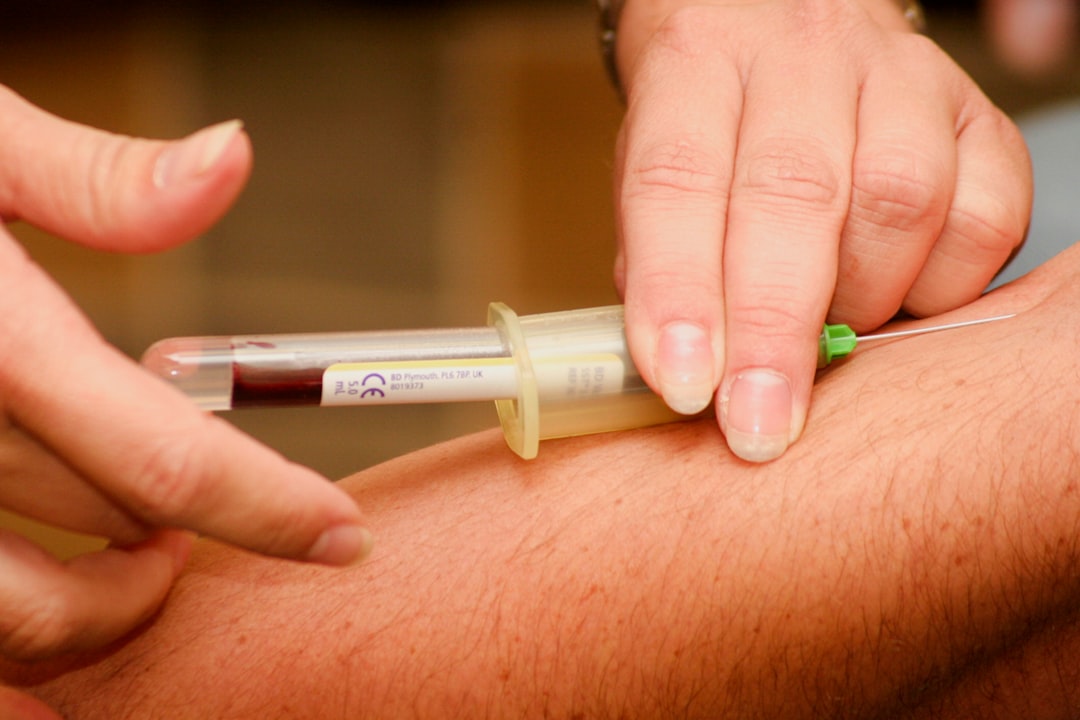
Low testosterone levels can significantly impact a man’s overall health and well-being, affecting energy, libido, and muscle mass. While prescription medications exist, many individuals seek alternative solutions to address this condition naturally. Home testosterone test kits have emerged as a popular choice, offering an accessible and non-invasive approach to assessing testosterone levels. This article delves into the comprehensive guide for fixing low T without prescription medication, focusing on evidence-based strategies and home testing kits to empower individuals with knowledge and tools for optimal health.
- Understanding Low T: Causes and Symptoms
- Natural Solutions: Lifestyle Changes for Healthy Testosterone
- Home Test Kits: Evaluating and Tracking Testosterone Levels Naturally
Understanding Low T: Causes and Symptoms
Low testosterone (Low T) is a condition that has gained significant attention in recent years, primarily due to its impact on men’s health and well-being. Understanding the causes and symptoms of Low T is the first step towards managing it effectively, and for those seeking alternatives to prescription medication, there are several home-based approaches worth exploring. One such method involves utilizing a home testosterone test kit, which allows individuals to measure their testosterone levels in the comfort of their own homes, providing valuable insights into potential hormone imbalances.
The causes of Low T are multifaceted, including age-related decline, certain medical conditions, and lifestyle factors. For instance, a recent study in The Journal of Clinical Endocrinology & Metabolism highlighted that one in ten men aged 30–69 has a low testosterone level. This decline can lead to a range of symptoms, such as decreased muscle mass, fatigue, reduced libido, and changes in mood and cognitive function. Interestingly, food intolerance test results in cities like Nottingham have indicated that diet plays a significant role, with certain dietary intolerances correlating with hormone imbalances, including Low T.
Additionally, vitamin D levels, as demonstrated through blood tests in Liverpool, can influence testosterone production. Insufficient vitamin D has been linked to low testosterone, emphasizing the importance of regular vitamin D blood tests, especially in regions with limited sunlight exposure. Furthermore, kidney function, which can be assessed through blood tests in Southampton, is another critical factor. Impaired kidney health can disrupt hormone regulation, including testosterone levels. As such, a comprehensive approach to managing Low T involves considering these various aspects, from dietary adjustments to assessing vitamin and mineral deficiencies and kidney function.
Natural Solutions: Lifestyle Changes for Healthy Testosterone
Many individuals seeking to fix low testosterone levels often turn to prescription medications as a quick solution. However, there’s a growing interest in natural solutions for balancing hormones, particularly among those who prefer a holistic approach or have specific considerations like dairy intolerance or food sensitivities. For instance, a home testosterone test kit can empower individuals to take an informed step towards managing their hormone health. These at-home tests provide a convenient way to gauge testosterone levels without the need for a doctor’s visit or blood draw, as seen in services offered in Leicester, Newcastle, and Milton Keynes.
Beyond self-assessment, lifestyle changes play a pivotal role in promoting healthy testosterone production. A balanced diet rich in zinc, vitamin D, and healthy fats supports optimal hormone regulation. For example, foods like oysters, pumpkin seeds, and fatty fish are known to boost testosterone levels naturally. Additionally, regular exercise, particularly high-intensity interval training (HIIT), has been shown to increase both testosterone and estrogen, leading to better overall hormonal balance in both men and women.
It’s also crucial to address any underlying dietary intolerances that could be negatively impacting hormone health. Dairy intolerance, for instance, is a known factor affecting testosterone levels in some individuals. A food intolerance test in Newcastle or Milton Keynes can help identify such issues. Once identified, eliminating problematic foods and adopting a more personalized diet can significantly contribute to fixing low T without relying on prescription medication.
Home Test Kits: Evaluating and Tracking Testosterone Levels Naturally
Evaluating and tracking testosterone levels naturally at home is a growing trend among individuals seeking to optimize their health and well-being. Home testosterone test kits offer a convenient, non-invasive way to assess your hormone balance without resorting to prescription medication. These kits typically measure total testosterone, providing valuable insights into your overall hormonal health.
One of the key benefits of home testing is its accessibility. Kits are readily available online and often include easy-to-follow instructions for collection and analysis. For example, a simple finger prick sample can yield results within minutes, allowing you to monitor changes over time. This proactive approach empowers individuals to take control of their health, especially those looking to address low testosterone levels naturally. While these kits provide valuable data, it’s essential to interpret the results in context. Factors like age, exercise, and diet significantly influence hormone levels, so consulting with a healthcare professional is advisable for personalized guidance.
Consider combining your home testosterone test with other essential blood panels. For instance, a thyroid blood test in Nottingham can help assess thyroid function, as hormonal imbalances often interact. Similarly, vitamin D blood tests in Birmingham are crucial for overall health and immune support. In Milton Keynes, a full blood count (FBC) can reveal insights into inflammation and red blood cell health, all of which contribute to overall testosterone levels. Integrating these tests provides a holistic view, enabling you to make informed decisions about lifestyle changes and dietary supplements that may enhance your natural testosterone production.
By understanding the causes and symptoms of low T and implementing natural solutions like lifestyle changes, individuals can take charge of their health. Adopting a balanced diet, regular exercise, adequate sleep, and managing stress are key lifestyle modifications that support optimal testosterone levels. Additionally, utilizing home testosterone test kits allows for natural and convenient tracking of hormone levels. This article has empowered readers with actionable insights, providing a comprehensive approach to addressing low T without prescription medication. Embracing these strategies enables a proactive and holistic approach to maintaining vibrant health and well-being.
Low testosterone (Low T) is a growing health concern, with causes including age, medical conditions, and lifestyle factors like diet and vitamin D levels. Home testosterone test kits offer a convenient way to assess hormone balance without prescription medication. Lifestyle changes, such as dietary adjustments and exercise, play a crucial role in promoting healthy testosterone production. Addressing underlying food intolerances can also significantly impact hormone health. Combining home testing with other essential blood panels provides a holistic view for personalized guidance on enhancing natural testosterone levels.